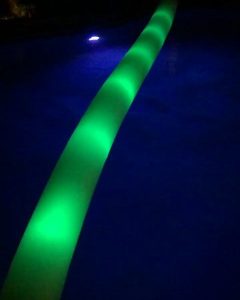
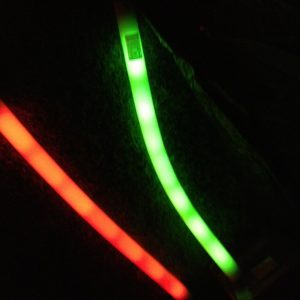
There is something universally satisfying about taking an object that feels ordinary, even forgettable, and transforming it into something unexpectedly beautiful. A pool noodle, typically associated with playful afternoons in the pool, bright summer colors, and carefree recreation, is lightweight, inexpensive, and rarely considered beyond its original function. Yet with creativity, that same foam tube can become a powerful design element capable of reshaping an entire outdoor environment. Paired with modern LED lighting, a pool noodle evolves into a glowing sculptural feature, softening darkness, adding personality, and infusing a backyard with a sense of wonder after sunset. This transformation speaks to a deeper human impulse: the desire to create beauty with our own hands and to find value in what we already possess. In a world that often equates good design with high cost or professional expertise, projects like this quietly challenge that narrative, demonstrating that imagination remains the most essential material of all.
Outdoor lighting plays a crucial role in shaping how a space is experienced, particularly when night falls and visual cues guide mood and behavior. Light affects our perception of safety, relaxation, and the time we choose to linger in a space. Harsh or overly bright lighting can feel sterile, flattening the atmosphere and making outdoor areas feel exposed or unwelcoming. Soft, diffused lighting, in contrast, creates intimacy and calm, inviting conversation and lingering enjoyment. Traditionally, achieving this effect required permanent fixtures, extensive wiring, and significant financial investment. Pool noodle lighting disrupts that assumption elegantly: the foam naturally diffuses LED light, smoothing harsh points into a gentle glow. The result is illumination that feels intentional rather than improvised, subtle rather than glaring, enhancing the space without overshadowing the natural elements of a garden, patio, or lawn.
One of the most compelling aspects of using pool noodles as lighting is accessibility. Pool noodles are inexpensive, widely available, and familiar to almost everyone, while LED lights—whether battery-powered, plug-in, or solar—are increasingly affordable and easy to source. Together, they form a DIY solution that lowers the barrier to entry for creative outdoor design. This accessibility is significant: renters who cannot install permanent fixtures, families working with a budget, or novices intimidated by traditional DIY projects can all participate. The process reinforces inclusivity: noodles can be cut with basic tools, shaped without specialized equipment, and adapted to various heights or configurations. LEDs generate minimal heat, making them safe for foam, and adjustments can be made without risk. The backyard becomes a low-stakes canvas for experimentation, where mistakes are part of the creative journey rather than sources of stress.
Designing with pool noodle lighting emphasizes intention and atmosphere over technical perfection. Choices that may seem small at first reveal disproportionate effects on mood and experience. Color, for example, dramatically shapes ambiance: bright, saturated noodles paired with multicolored LEDs create a lively, playful environment suited for parties or children’s play areas, while muted tones with warm white lighting evoke calm elegance for quiet evenings or intimate dinners. Diameter influences diffusion, with thicker noodles producing softer, broader light and thinner pieces creating delicate accents. Placement adds another layer of meaning: lining pathways enhances safety, embedding lights among plants highlights textures and shadows, and clustering noodles vertically establishes sculptural focal points. Through these thoughtful decisions, a yard begins to feel composed and unified. The lighting does not simply illuminate; it defines the space.
Beyond aesthetics, pool noodle lighting fosters connection through collaborative creation. Projects naturally invite families, roommates, or friends to participate, blending practicality with shared imagination. Children are drawn to tactile materials and bright colors, while adults appreciate the low cost and creative potential. Conversations emerge as placements are tested, laughter arises from unexpected outcomes, and pride builds as the space takes shape. The lights themselves carry memories of this shared effort, transforming into symbols of connection, ingenuity, and communal accomplishment. In a culture where many experiences are consumed rather than made, the act of building together nurtures both relationships and a sense of ownership over the environment, making the backyard a reflection of those who inhabit it.
Perhaps the most enduring quality of pool noodle lighting is its adaptability. Unlike permanent installations, it is modular and flexible, able to evolve with seasons, moods, and occasions. A relaxed summer evening may call for warm, steady light in neutral tones, while a festive birthday or holiday invites bold colors and dynamic arrangements. Components are reusable and modular, supporting sustainability by repurposing materials instead of discarding them. Over time, the backyard grows alongside its occupants, reflecting creativity, personality, and practical ingenuity. The transformation of a simple foam noodle into a glowing outdoor feature is more than a clever DIY trick; it is a reminder that atmosphere shapes experience, and that small, thoughtful interventions can profoundly influence how we feel. Soft light slows time, encourages conversation, and turns ordinary evenings into memorable moments—especially when that light comes from something as unexpectedly delightful as a pool noodle.