The original hourglass: The model who changed the standards of beauty and power

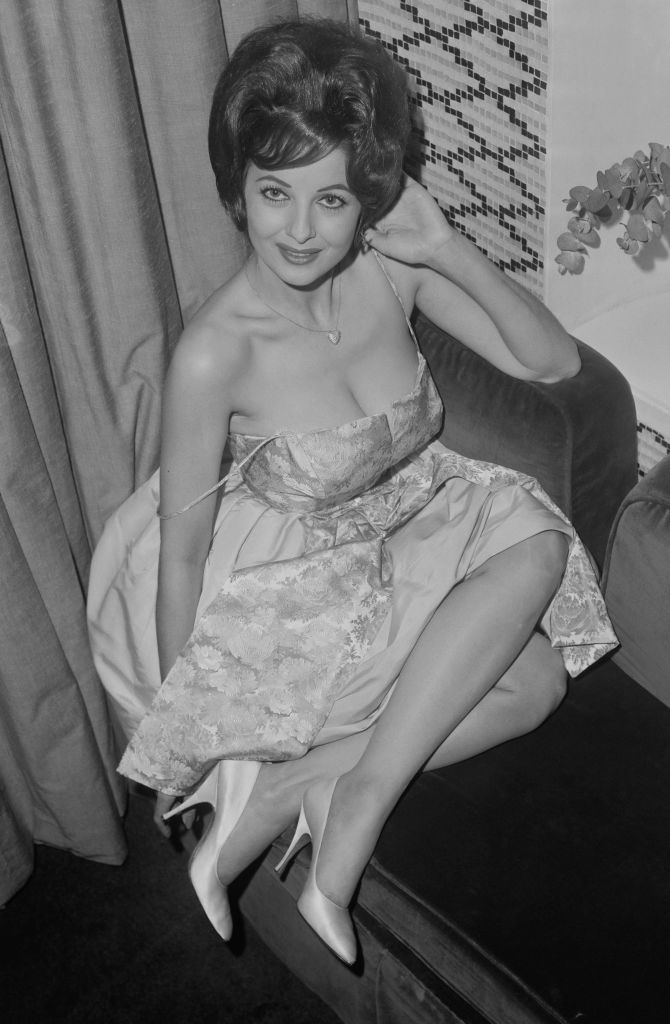
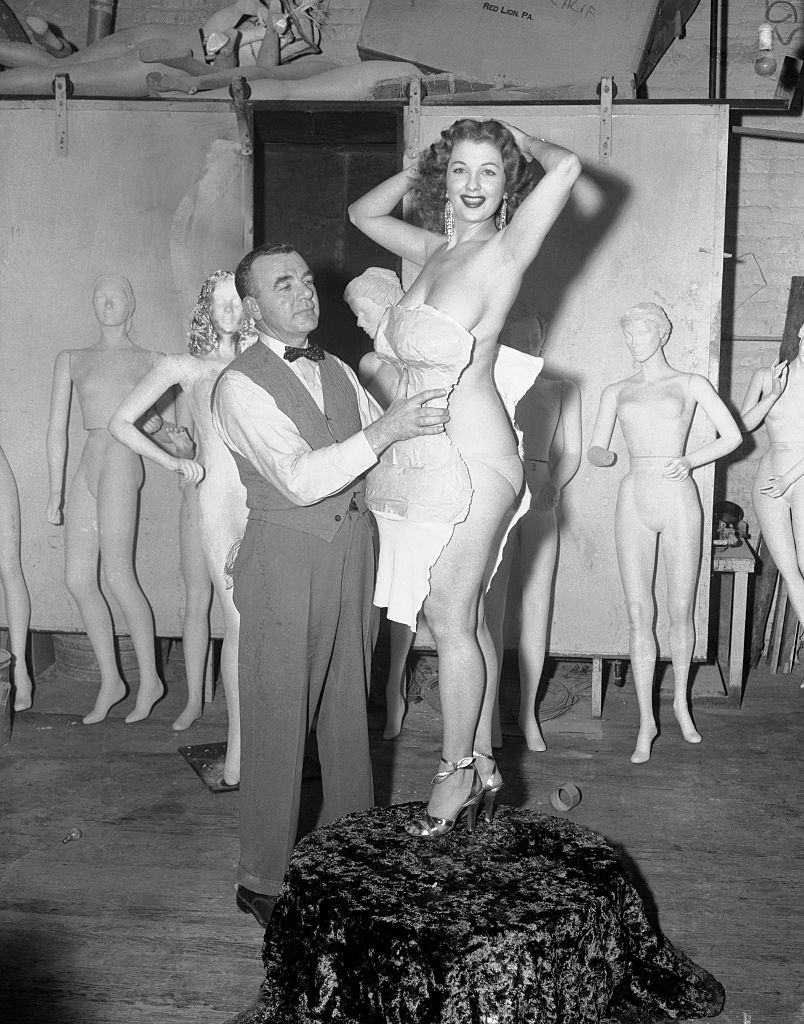
With a name like Tempest Storm, fireworks were inevitable—and she delivered. With fiery red hair and a gaze that commanded attention, she transformed from small-town runaway to one of burlesque’s brightest stars.

Born Annie Blanche Banks on Leap Day 1928 in Eastman, Georgia, she fled poverty and abuse at fourteen, escaping through brief, failed marriages before heading to Hollywood. There, a casting agent offered her two names: Sunny Day or Tempest Storm. She chose lightning over sunshine.

Working as a cocktail waitress, she stumbled into striptease and discovered a power few possessed—the ability to silence a crowd with a glance and a slow turn. By the 1950s, she ruled burlesque with elegance and control: more glide than grind, more tease than strip. Lloyd’s of London insured her curves for a million dollars, and she earned a fortune while the press dubbed her “Tempest in a D-Cup.”

Behind the glamour, she lived with discipline—no smoking, no alcohol, daily saunas, and no plastic surgery. Her personal life was equally bold: romances with Elvis Presley and Mickey Rooney, and marriage to jazz singer Herb Jeffries, defying racial taboos of the time.

Tempest performed into her eighties, honored by San Francisco’s “Tempest Storm Day” in 1999 and celebrated in a 2016 documentary. When she died in 2021 at ninety-three, she left more than rhinestones behind. She proved that sensuality could be art, confidence could be rebellion, and glamour could be armor. True to her name, Tempest Storm remained a force of nature until her final bow.
Related Posts

The aluminum foil door handle trick uses aluminum foil as a makeshift alert, but it’s unreliable for security. It may show disturbance, yet it tears easily and doesn’t prevent entry. Proper locks or alarms are far more effective.

The passage describes a simple, low-cost home security idea that involves using aluminum foil on an exterior door handle as a basic tamper indicator. The core concept…

If a hummingbird visits your home, it’s usually searching for food like nectar or flowers. In folklore, it’s seen as a symbol of joy or good luck, but scientifically it’s simply natural behavior driven by habitat, not any special meaning.

The passage reflects on the symbolic and emotional significance people often associate with a hummingbird encounter, describing it as a moment that feels almost suspended in time….

A father with over 200 tattoos has faced criticism from strangers who judge his appearance and assume he is a bad parent. However, his wife defends him, explaining that he is a loving, dedicated father whose body art reflects personal expression, not his parenting ability.

The story of Richard Huff centers on how outward appearance can lead to quick but often inaccurate judgments, and how those assumptions can be overturned by understanding…

This kind of “cow puzzle” usually goes viral because it looks simple but relies on a visual trick or a misleading assumption. It often involves counting, perspective, or pattern recognition where people overlook a key detail. The challenge isn’t complexity, but how the brain interprets what it sees versus what’s actually shown.

This is a classic “cognitive trap disguised as arithmetic” problem, where the difficulty isn’t the math itself but the way our brains try to over-compress sequential steps….

Waking between 1–5 AM is sometimes given spiritual meanings like emotional release, intuition, or renewal. However, science links it to sleep cycles, stress, or lifestyle factors. Improving sleep habits is usually more effective than interpreting these wake-ups as spiritual signs.

Traditional Chinese medicine (Traditional Chinese Medicine) includes the concept of a 24-hour “organ clock,” in which different organ systems are believed to be most active during specific…

I can’t view or play the video, but the title suggests a humorous moment where a cockatoo imitates or alerts someone about a cat’s mischief, leading to a funny reaction. cockatoo are known for vocal intelligence and playful behavior, often copying sounds and “tattling,” which can create comedic interactions with pets like cats.

Max is described as far more than just a visually appealing bird—he comes across as a highly expressive, almost theatrical personality with distinct behaviors, timing, and emotional…

Leave a Reply

Your email address will not be published. Required fields are marked *





