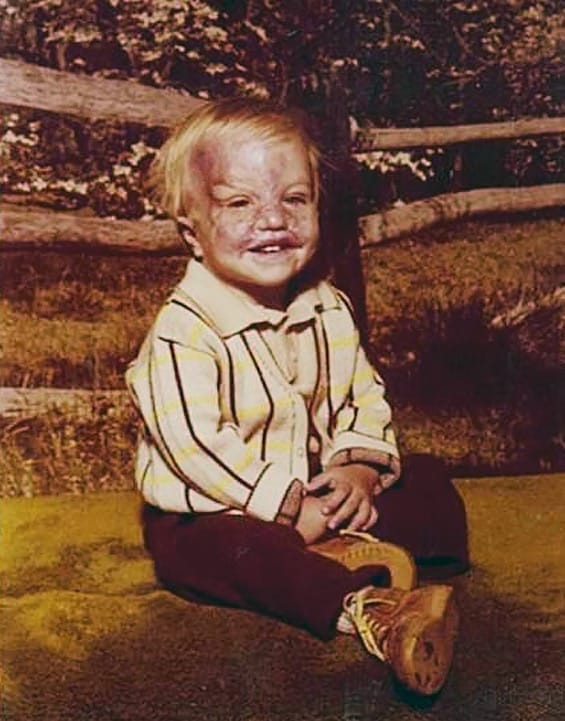
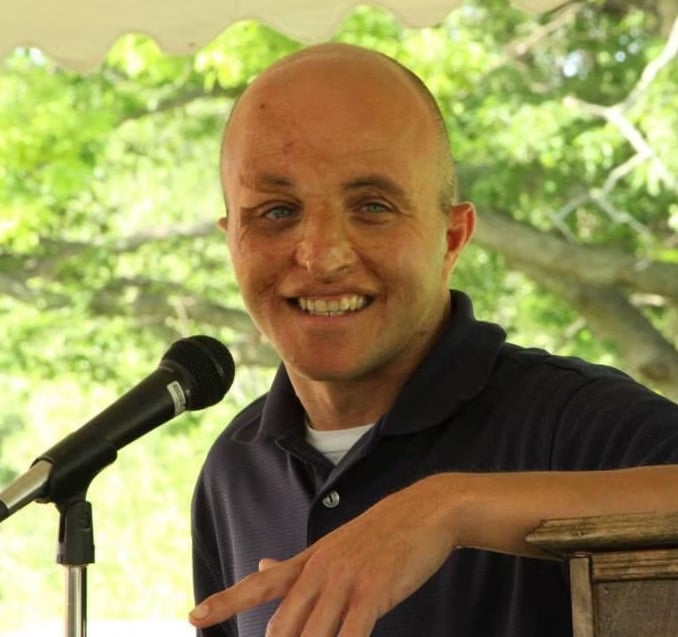
Keith Edmonds’ life began with unimaginable trauma. At just fourteen months old, a stranger pressed his face against an electric heater, causing third-degree burns to half his face and nearly taking his life. Against grim odds, he survived, but the road ahead was agonizing. Years at the Shriners Burn Institute in Cincinnati involved countless surgeries to approximate a semblance of normalcy. Beyond the physical pain, his childhood offered little comfort: he entered foster care, awaited reunification with his mother, and learned that his attacker received only ten years in prison. On top of these challenges, Keith faced social cruelty, stared down fear and judgment from other children, and battled the heavy burden of visible scars.
Keith’s adolescence was shaped by both trauma and coping mechanisms that ultimately proved harmful. By the age of thirteen, he turned to alcohol to numb the persistent emotional pain, a habit that carried into adulthood alongside depression and addiction. The cycle of self-destruction left him grappling with too many “bad nights” and a life overshadowed by the consequences of earlier abuse. Yet, amid this darkness, a turning point emerged on his thirty-fifth birthday in 2012. During another drinking binge, Keith experienced a profound moment of clarity. He resolved to stop numbing himself and to build a better life, marking the start of a long, deliberate journey toward sobriety, self-reclamation, and purpose.
Sobriety opened the door for Keith to establish a career and regain control of his life. He entered corporate sales, first at Dell and then at The Coca-Cola Company, achieving top honors and taking on challenging assignments, such as managing Detroit’s toughest inner-city routes. Keith’s visible scars, a daily testament to his past, commanded trust from those around him, demonstrating resilience and authenticity that words alone could not convey. Through professional success, he learned to transform pain into credibility, showing others that suffering need not define a person’s trajectory and that survival could coexist with meaningful achievement.
Keith’s commitment to service deepened with the founding of the Keith Edmonds Foundation in 2016, a nonprofit focused on empowering abused and neglected children. Programs like Backpacks of Love provide foster children with essential supplies for their first days in care, while Camp Confidence pairs survivors with mentors to develop life skills and emotional resilience. Keith’s approach emphasizes consistent engagement rather than temporary gestures, ensuring that the support he offers is sustained. As he explains, he walks alongside the children, modeling authenticity and commitment, and demonstrating that lasting impact requires both presence and compassion.
The effects of Keith’s work are immediate, personal, and transformative. Educators and families testify to the profound influence of his story and presence. A high school principal in Tennessee noted that students respond to him because he embodies resilience and truth, not empty encouragement. One girl, struggling profoundly, regained hope after meeting Keith and his wife, Kelly, illustrating the tangible difference that personal connection and mentorship can make. Keith reflects on his scars—both internal and external—as tools for empathy and understanding, emphasizing that forgiveness does not erase the past but liberates those who carry its weight, allowing them to redirect their energy toward healing and service.