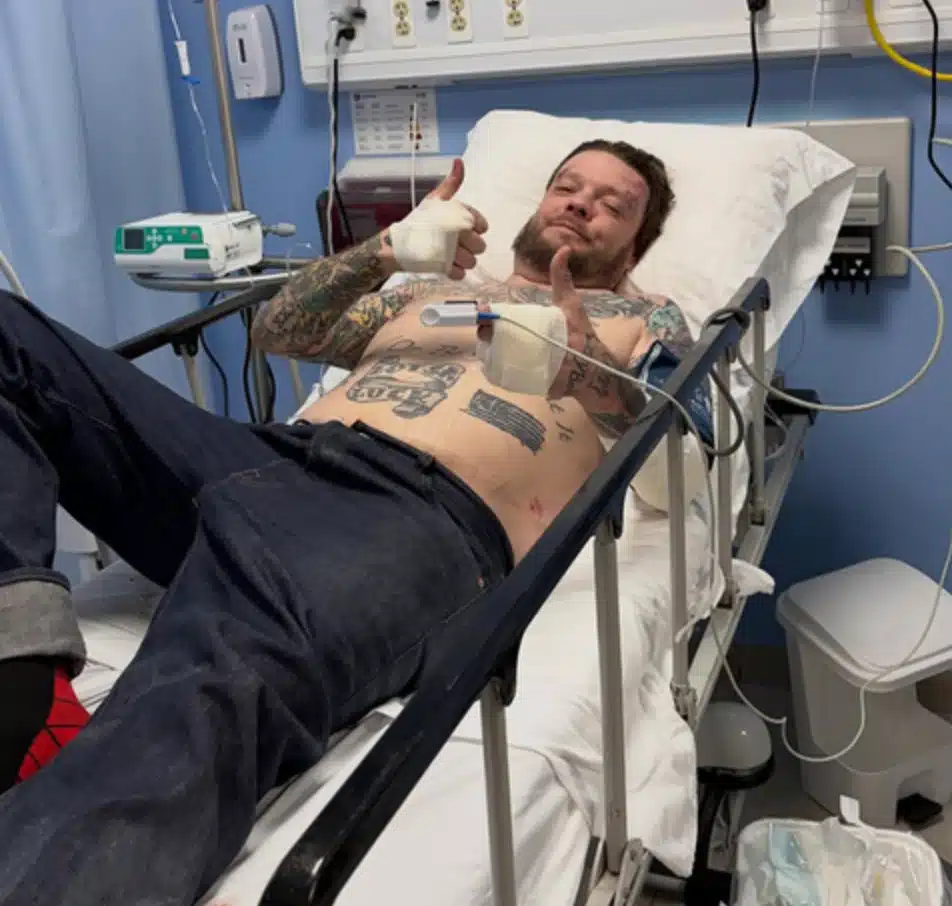
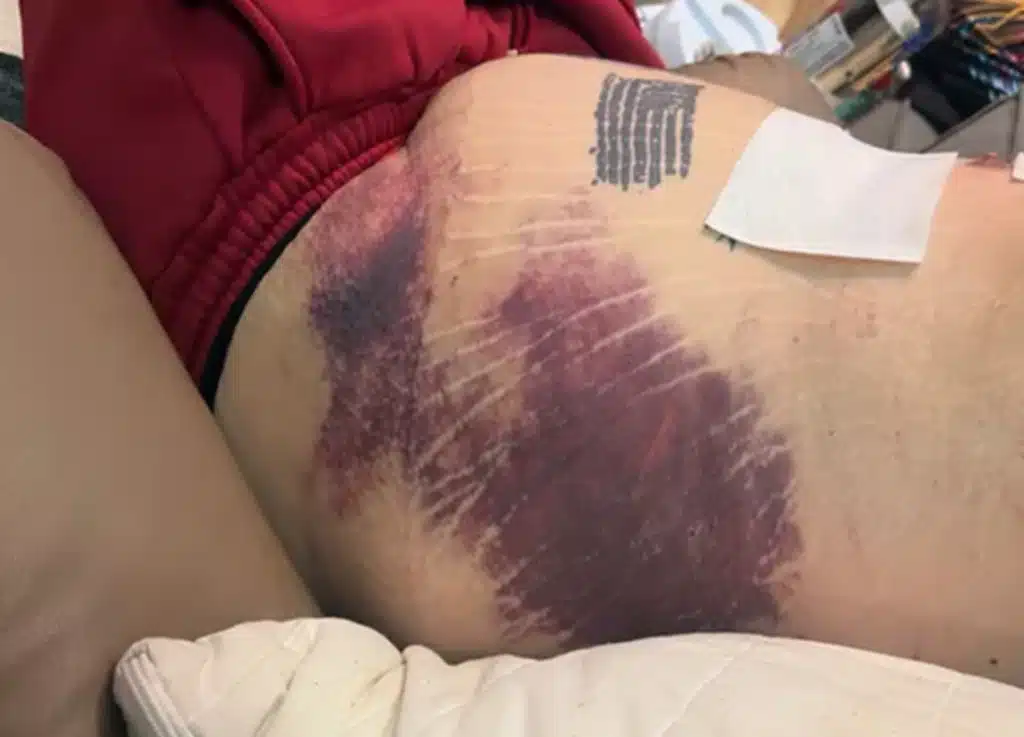
Corey Harrison, widely recognized as the son of Rick Harrison and longtime cast member on the hit reality television series Pawn Stars, has recently faced one of the most challenging chapters of his life, both physically and financially. The 42-year-old television personality suffered a severe motorcycle accident in Mexico earlier this year, an incident that not only left him with extensive injuries but also plunged him into a situation marked by uncertainty, pain, and staggering medical expenses. Known to millions for his affable demeanor and role in one of cable television’s most iconic series, Harrison’s public image has often been associated with humor, charm, and the daily workings of the Gold & Silver Pawn Shop in Las Vegas. Yet behind the cameras, the accident revealed the vulnerability of even well-known figures when faced with sudden, life-altering circumstances. According to reports shared with TMZ, the crash caused multiple injuries, including 11 fractured ribs, a concussion, facial trauma, and other complications that doctors initially considered potentially life-threatening. In addition to the physical damage, the accident forced Harrison to miss significant family milestones, including the wedding of his father, Rick Harrison, underscoring how even personal and familial celebrations can be affected when sudden trauma disrupts life unexpectedly.
Following the accident, Harrison’s recovery process proved exceptionally challenging. He initially spent approximately two weeks in the hospital in Mexico, undergoing intensive care to stabilize his condition. However, faced with mounting medical bills that escalated daily, he reportedly made the difficult decision to check himself out earlier than medically advised. This choice, though understandable in the context of financial stress, contributed to additional complications in his recovery. While resting at a residence in Tulum, Harrison experienced severe and persistent pain, prompting the intervention of a private house doctor who administered intravenous fluids and morphine to manage his symptoms. At one point, his oxygen levels reportedly dropped dangerously low, instilling fear for his life and highlighting the precarious nature of recovery outside a fully equipped hospital environment. The combination of severe injuries, insufficient initial treatment, and financial constraints created a situation in which Harrison’s health and safety were constantly in delicate balance, demonstrating how unexpected accidents can have cascading effects beyond the immediate physical trauma.
As his condition worsened, Harrison faced the practical reality that returning to the original hospital for continued care was financially unfeasible. Friends and acquaintances reportedly assisted in transporting him to a more affordable medical facility where he could receive the surgeries and treatment required to stabilize his condition fully. There, he underwent three separate surgical procedures and spent an additional 18 days hospitalized while physicians worked to address the complications caused by both the accident and the incomplete recovery that followed his early discharge. These emergency interventions were critical in preventing long-term disability or fatal outcomes, yet they also underscored the significant economic pressures that accompany serious injuries in regions where healthcare costs can be prohibitively high. By the end of this phase, the total financial burden of Harrison’s medical care had climbed to nearly $120,000, reflecting not only the cost of hospitalization and surgeries but also ongoing treatment, medications, and necessary post-operative care.
The financial strain resulting from the accident has been substantial. Harrison himself disclosed that after borrowing money from family members and friends to cover immediate medical expenses, he had only approximately $400 remaining in his personal account. Recognizing that further treatment and recovery would continue to accrue costs beyond what he could personally manage, Harrison launched a GoFundMe campaign to seek assistance from fans and the general public. In explaining the campaign, he reportedly said, “What am I going to do, fly out to Vegas and sell stuff? I can’t move from my recliner,” highlighting the limitations imposed by his injuries and the reliance on public generosity to bridge the financial gap. The appeal to fans represents not only a pragmatic solution to a pressing problem but also a candid acknowledgment of the realities faced by individuals who, despite previous public success, may find themselves financially vulnerable when confronted with sudden medical emergencies. Harrison’s transparency about the situation provides insight into the broader conversation surrounding healthcare affordability, the unpredictability of accidents, and the challenges even well-known personalities face when navigating medical crises.
Corey Harrison’s circumstances also mark a significant shift in his professional life. While he remains a familiar figure due to his long tenure on Pawn Stars, he is reportedly no longer actively involved with the series, though residual payments from reruns provide some ongoing income. The show, centered around the Gold & Silver Pawn Shop and the daily interactions of the Harrison family, propelled him into public consciousness over many years, yet the residual fame has not insulated him from the practical and financial consequences of severe injury. Rick Harrison, Corey’s father, who has amassed substantial wealth through the success of the show and associated business ventures, offered a brief comment on his son’s situation to TMZ: “Corey is a grown man and he will deal with his life as he sees fit.” The statement, while succinct, underscores a complex dynamic where even familial support may not fully alleviate the financial and medical pressures that arise when a sudden crisis disrupts established routines and plans. For Corey, the focus has had to shift from career maintenance to survival and recovery, emphasizing the precarious balance between public visibility and personal vulnerability in the lives of reality television personalities.
Despite the challenges, Corey Harrison continues to prioritize his recovery and overall health. Mobility remains limited, and the road to full recovery is ongoing, marked by both physical therapy and ongoing medical oversight. The accident has forced him to confront not only the immediate consequences of the crash but also the financial and logistical implications of long-term injury management in a foreign country. Through it all, his engagement with fans and the broader public reflects both the role of community support in personal crises and the enduring connection between celebrities and their audiences. Harrison’s situation serves as a reminder of the human dimension behind the fame, illustrating that no level of recognition or prior success can fully shield individuals from unforeseen accidents, medical emergencies, or the cascading financial effects they produce. His experience underscores the reality that health crises are not only personal battles but can also necessitate reliance on social and financial networks to navigate effectively.
Ultimately, Corey Harrison’s ordeal illuminates the intersection of public visibility, personal vulnerability, and financial exposure. Once a regular fixture on one of cable television’s most recognizable series, he now faces the dual challenge of regaining his health while addressing the economic aftermath of a catastrophic accident. His story reflects broader societal concerns about healthcare affordability, access to treatment, and the hidden vulnerabilities that even seemingly successful public figures may encounter. While his focus remains on recovery, the support of fans, family, and friends has become an essential lifeline in navigating this difficult chapter. As Harrison works to rebuild both physically and financially, his experience highlights the often-overlooked realities behind the polished image of celebrity, demonstrating that resilience, community, and transparency are as crucial as fame in overcoming life’s unpredictable challenges. For now, his journey continues — a reminder that health crises can touch anyone, regardless of status, and that recovery often requires both personal determination and collective support.