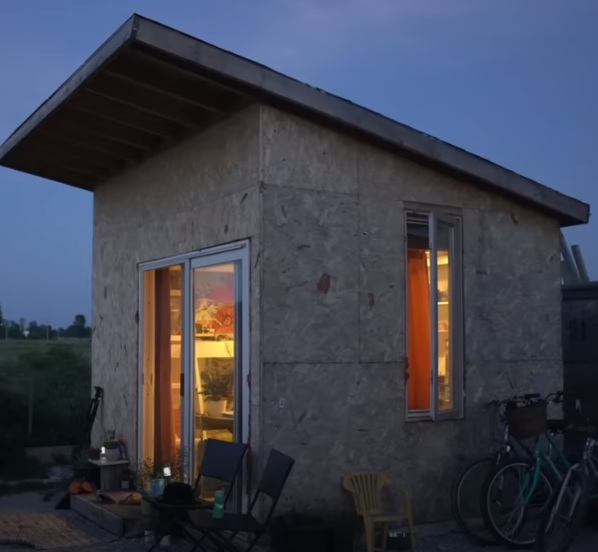
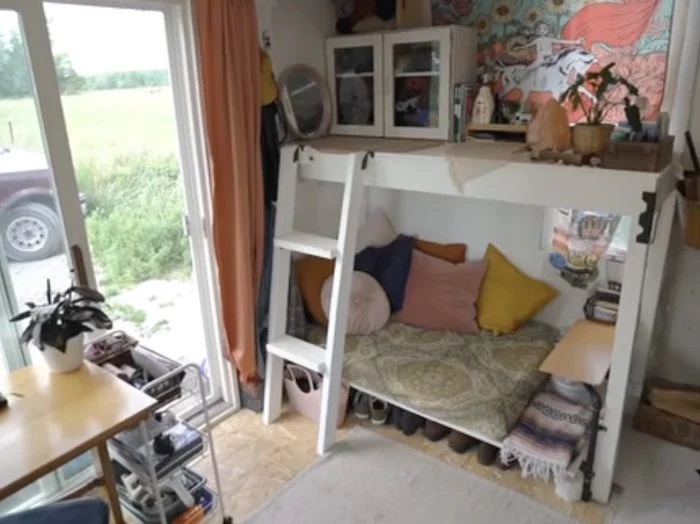
The tiny home lifestyle is gaining popularity as an alternative to traditional living, offering a unique solution in response to rising housing costs and increasing environmental awareness. This movement represents a cultural shift in priorities, emphasizing quality of life over the quantity of space. As more individuals opt for smaller, more sustainable homes, they are also embracing a lifestyle that encourages intentional living, minimalism, and a deeper connection with nature.
Environmental Impact
A primary motivation behind the tiny home movement is the desire to live more sustainably. People are becoming more conscious of their environmental footprint and are actively seeking ways to reduce energy consumption, waste, and resource depletion. Tiny homes, by design, require fewer materials to build and less energy to maintain, making them a much more eco-friendly option compared to traditional homes. Many tiny homes integrate solar panels, composting toilets, and other green technologies, significantly reducing their environmental impact.
Living in a tiny home encourages mindfulness regarding consumption, as space limitations force homeowners to carefully consider their daily habits and purchases. The simplicity of tiny home living fosters a closer connection to nature, with many residents adopting practices like recycling, repurposing materials, and reducing waste. This conscious approach to living is part of a larger movement toward sustainability, appealing to those who value eco-friendly solutions and environmental stewardship.
Embracing Simplicity and Minimalism
The tiny home lifestyle is also closely aligned with minimalism. Many people choose tiny homes to escape the pressures of modern consumerism and clutter. In a small home, every square foot is precious, which means every item must be carefully chosen for its usefulness or value. This encourages individuals to simplify their lives by letting go of unnecessary possessions and focusing on what truly matters.
Minimalism in a tiny home can lead to a more intentional and fulfilling lifestyle. By shedding excess material possessions, individuals can redirect their energy towards experiences, relationships, and personal growth rather than accumulating more things. Many tiny home residents report feeling less stressed, more content, and more connected to their surroundings. The simplicity of their homes brings peace, clarity, and a greater sense of well-being.
Practical Benefits
The tiny home lifestyle also offers numerous practical advantages. For one, the smaller living space makes cleaning and maintenance much easier. Homeowners can spend less time on household chores and more time enjoying hobbies, socializing with friends, or focusing on personal goals. The reduced need for upkeep makes tiny homes particularly attractive to those who want to spend less time maintaining a property and more time living.
Affordability is another key factor driving people to embrace tiny homes. With skyrocketing housing prices and high costs of living, many people find it difficult to enter the traditional housing market. Tiny homes, on the other hand, are generally much more affordable, making them an attractive option for first-time homebuyers, retirees, or individuals looking to downsize. The lower cost of living allows homeowners to allocate their savings towards travel, experiences, or other financial goals.
Additionally, the portability of tiny homes offers flexibility that traditional homes cannot provide. Many tiny homes are built on wheels, allowing owners to relocate their homes whenever they wish. This mobility appeals to those with transient lifestyles, such as digital nomads, retirees, or adventure seekers. For those who value flexibility and the ability to explore new places without being tied down to one location, tiny homes offer a compelling solution.
Community and Connection
An often-overlooked aspect of the tiny home movement is the sense of community it fosters. Many tiny home dwellers find themselves part of a growing network of like-minded individuals who share similar values, such as sustainability, simplicity, and intentional living. Tiny home communities are emerging in various parts of the world, offering a sense of belonging and shared purpose among residents.
These communities often prioritize collaboration and resource-sharing, creating environments where people can support each other and work together toward common goals. This sense of connection and camaraderie is incredibly fulfilling for many tiny home residents, enhancing their overall lifestyle and providing a deeper sense of community.
Conclusion
The tiny home lifestyle represents a significant shift in the way people approach housing, sustainability, and personal fulfillment. Individuals who choose to live in tiny homes are driven by a variety of reasons, including environmental awareness, a desire for minimalism, practical benefits, and a sense of community. The movement challenges traditional notions of homeownership and offers an alternative that is not only more affordable but also more sustainable and intentional. As the tiny home trend continues to grow, it has the potential to reshape conversations about housing, sustainability, and the future of community living.