Will Brough’s vision of a home began decades ago as a precise image in his mind — a residence that would combine creativity with efficiency, modern comfort with industrial honesty, and architectural boldness with everyday livability. Years of searching for designers capable of translating his vision ended in frustration, as traditional architects repeatedly watered down his ideas or failed to capture the essence of what he imagined. Rather than compromise, Will took control of the project himself, embracing an unconventional method: stacking and shaping shipping containers into a fully functional home. The result is an eleven-container, three-story residence crowned with a rooftop terrace, now recognized as the largest container-based home of its kind, standing as a testament to persistence, creativity, and the power of realizing a personal vision without yielding to conventional limitations.
Transforming shipping containers into a livable space required not just design skill but careful consideration of physics, spatial flow, and human interaction. The rigid, rectangular forms of the containers had to be adapted for comfort, light, and movement. Will arranged each container to maximize natural light, create sightlines that enhance openness, and allow rooms to flow seamlessly while maintaining structural integrity. Large windows, open floor plans, and reinforced walls contribute to an airy, intimate, and functional environment. The home’s interiors reflect a careful balance between contemporary style and the industrial heritage of the containers. The rooftop terrace, overlooking the Houston skyline, epitomizes the home’s ambition: a space where everyday living meets aesthetic elevation, where structure and imagination coexist harmoniously.
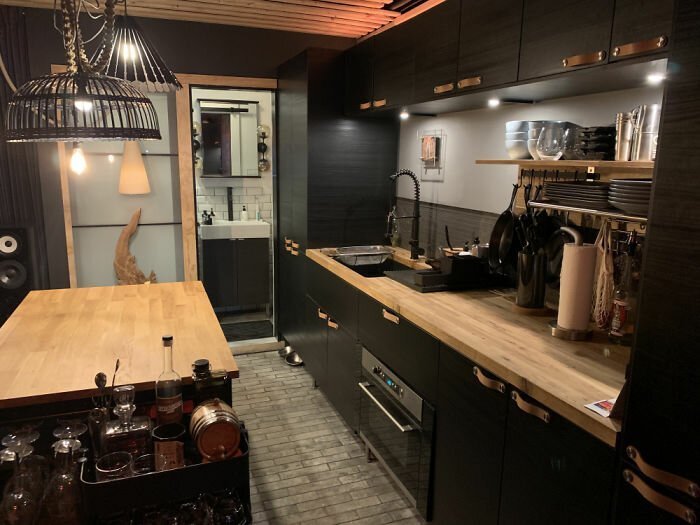
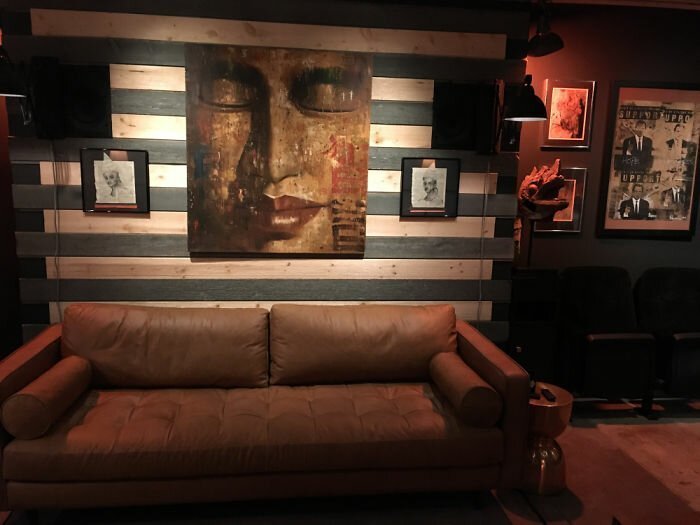
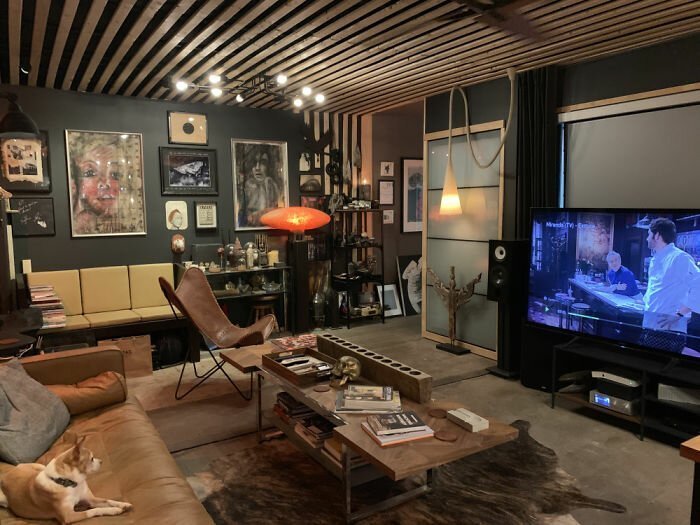
Inside, the brilliance of Will’s design becomes apparent through its understated sophistication. The living room emphasizes openness, with neutral colors, strategic furniture placement, and warm wooden accents that soften the steel architecture. The minimalist design allows the form of the space itself to take center stage while remaining comfortable and inviting. The kitchen functions as both a workspace and a social hub, with high-end appliances, a generous island, and thoughtful layout that encourages movement and interaction. Bedrooms serve as personal retreats, with large windows framing outdoor views and décor curated to balance individuality with cohesion. Bathrooms maintain the same philosophy of calm modernity, turning daily routines into moments of reflection. Every interior choice reflects intention, turning industrial materials into a home that feels both personal and refined.
Sustainability played a key role in Will’s project. By repurposing shipping containers, he reduced construction waste while giving purpose to materials that might otherwise be discarded. This approach aligns with circular design principles, extending the lifecycle of materials and minimizing environmental impact. Energy-efficient appliances, careful insulation, and durable, eco-conscious finishes continue the home’s sustainable ethic. The containers, once designed to transport cargo, now house daily life, demonstrating that environmental responsibility can coexist with architectural creativity. The rooftop terrace, steel walls, and open interiors show that adaptive reuse is not merely practical but can also enhance both aesthetic and functional qualities, offering a model for sustainable urban living.
Will’s achievement is remarkable not just for its novelty, but for the intentionality behind every decision. Unlike projects where unconventional materials are treated as gimmicks, here the method serves the purpose: creating a space fully aligned with the owner’s vision. By taking control, Will proved that creativity is not limited to trained professionals, that unconventional approaches can yield sophisticated results, and that persistence can turn seemingly impractical ideas into remarkable realities. Visitors experience not only the clever adaptation of industrial forms but also the warmth, openness, and personality imbued into the space. The home demonstrates that thoughtful design can reconcile industrial rigor with domestic comfort and that individual vision can challenge the standard expectations of architecture.
The residence also inspires broader reflection on creativity, perseverance, and the value of personal vision. In a world dominated by mass-produced homes and predictable designs, Will’s container home is a tangible reminder that innovation often arises from one person’s determination to see their dream realized. The project shows how industrial materials can be transformed through intention, how compact forms can feel expansive through planning, and how imagination can be made real when nurtured consistently. Beyond its function as a living space, the home invites viewers to reconsider possibilities, encouraging them to trust that even unconventional dreams can take form when approached with commitment and care.
Today, the eleven-container home on McGowan Street in Houston stands as more than a residence. It is a statement of perseverance, creativity, and sustainable ingenuity. The rooftop terrace, expansive interiors, and thoughtful details reflect decades of dreaming, refining, and building without compromise. Will’s project exemplifies how design can be democratic, sustainability can be elegant, and a personal vision can redefine conventional architecture. Visitors leave inspired, recognizing that bold ideas, nurtured over time and executed with intention, can manifest into reality. The home proves that the most daring structures are often constructed not from traditional materials alone, but from belief, imagination, and the courage to see a long-held dream come to life.