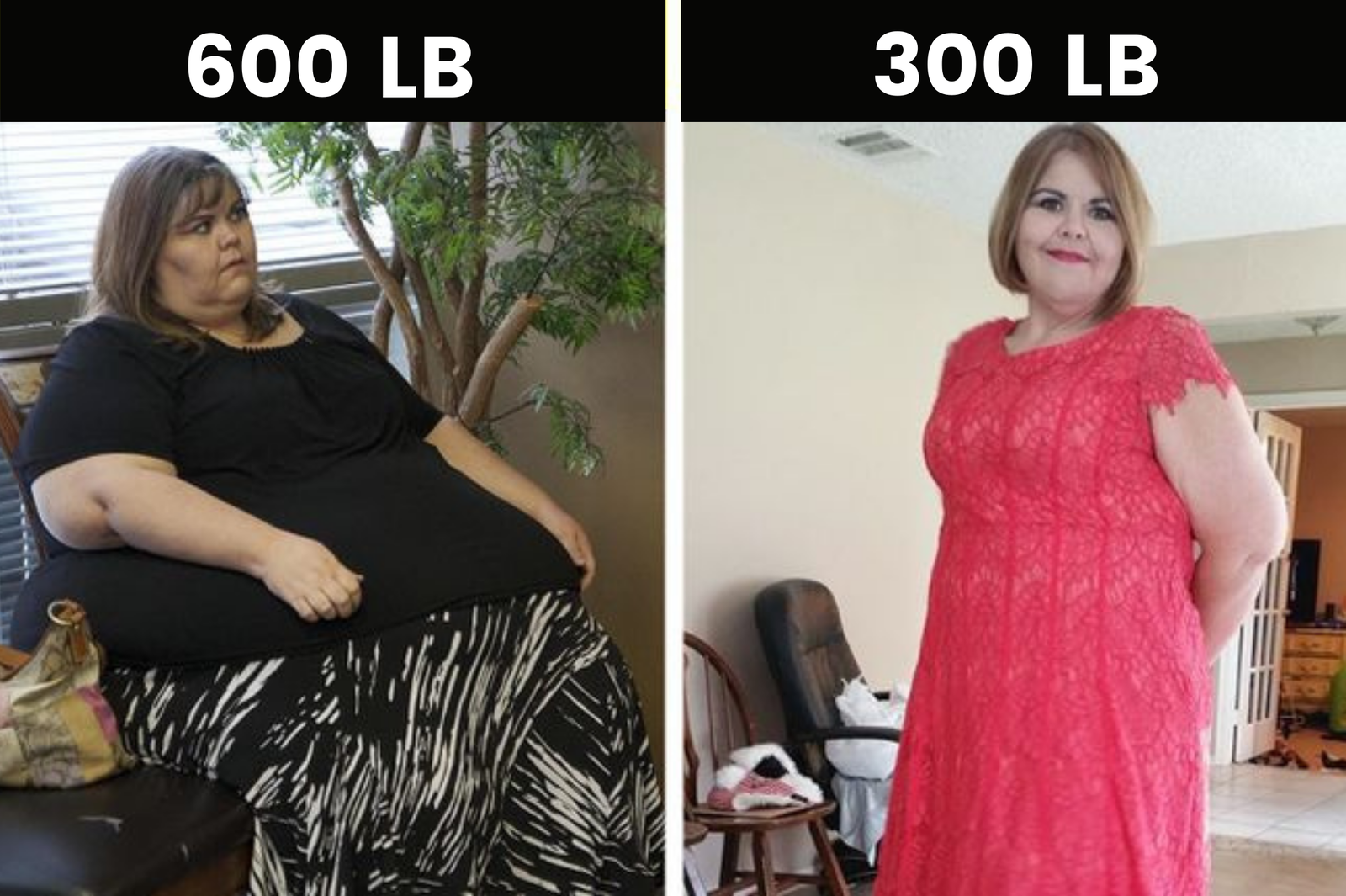
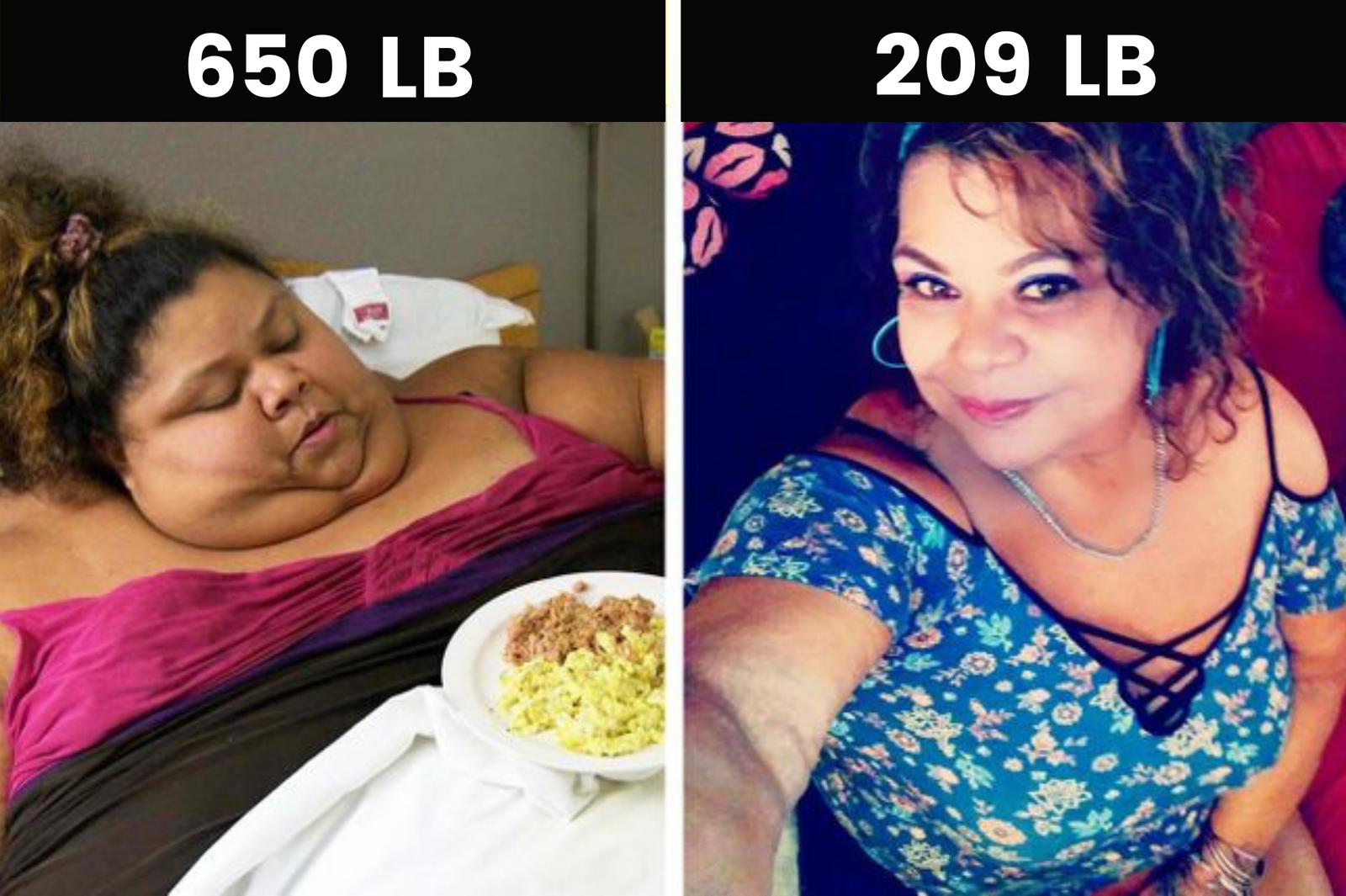
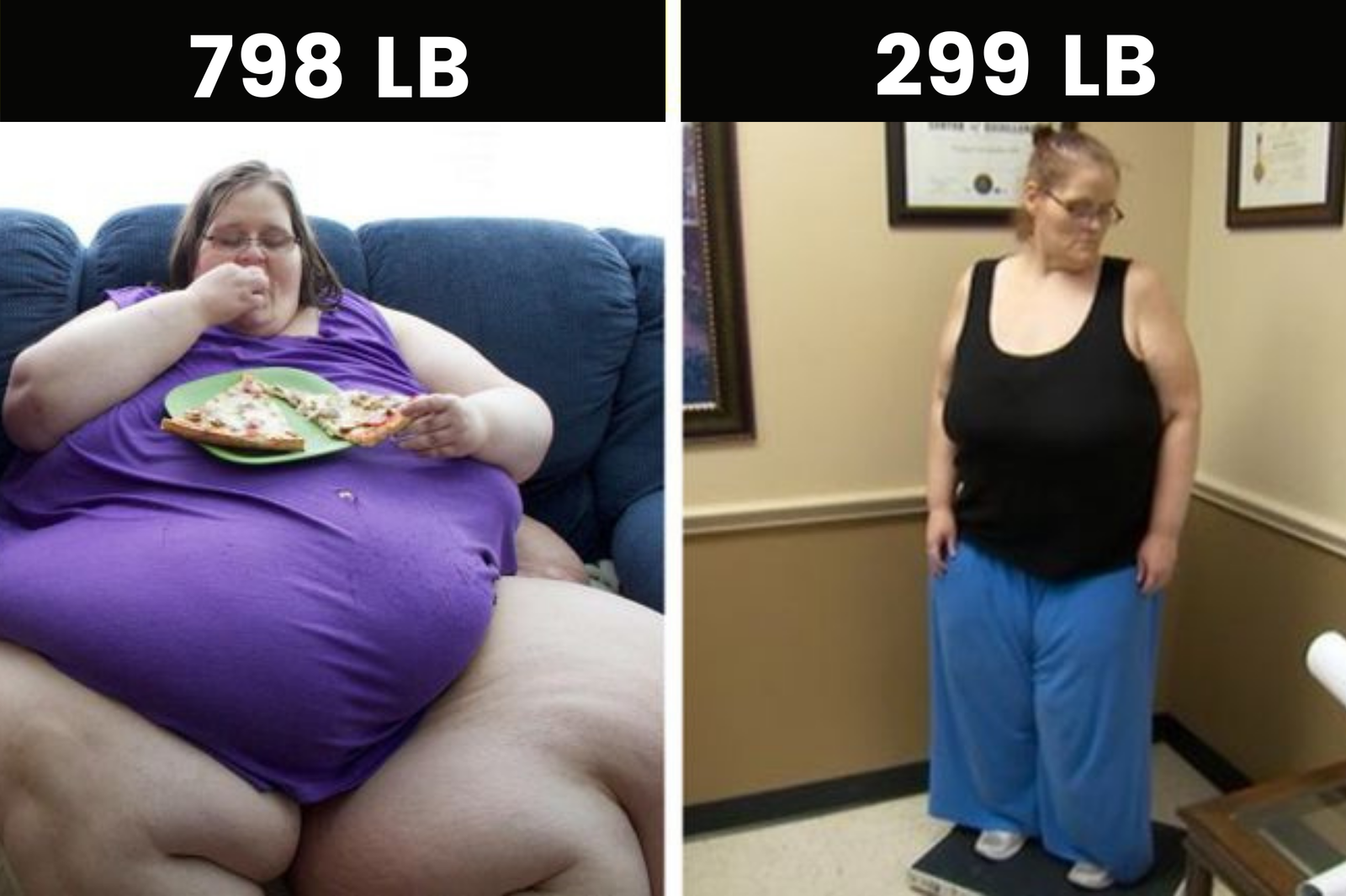
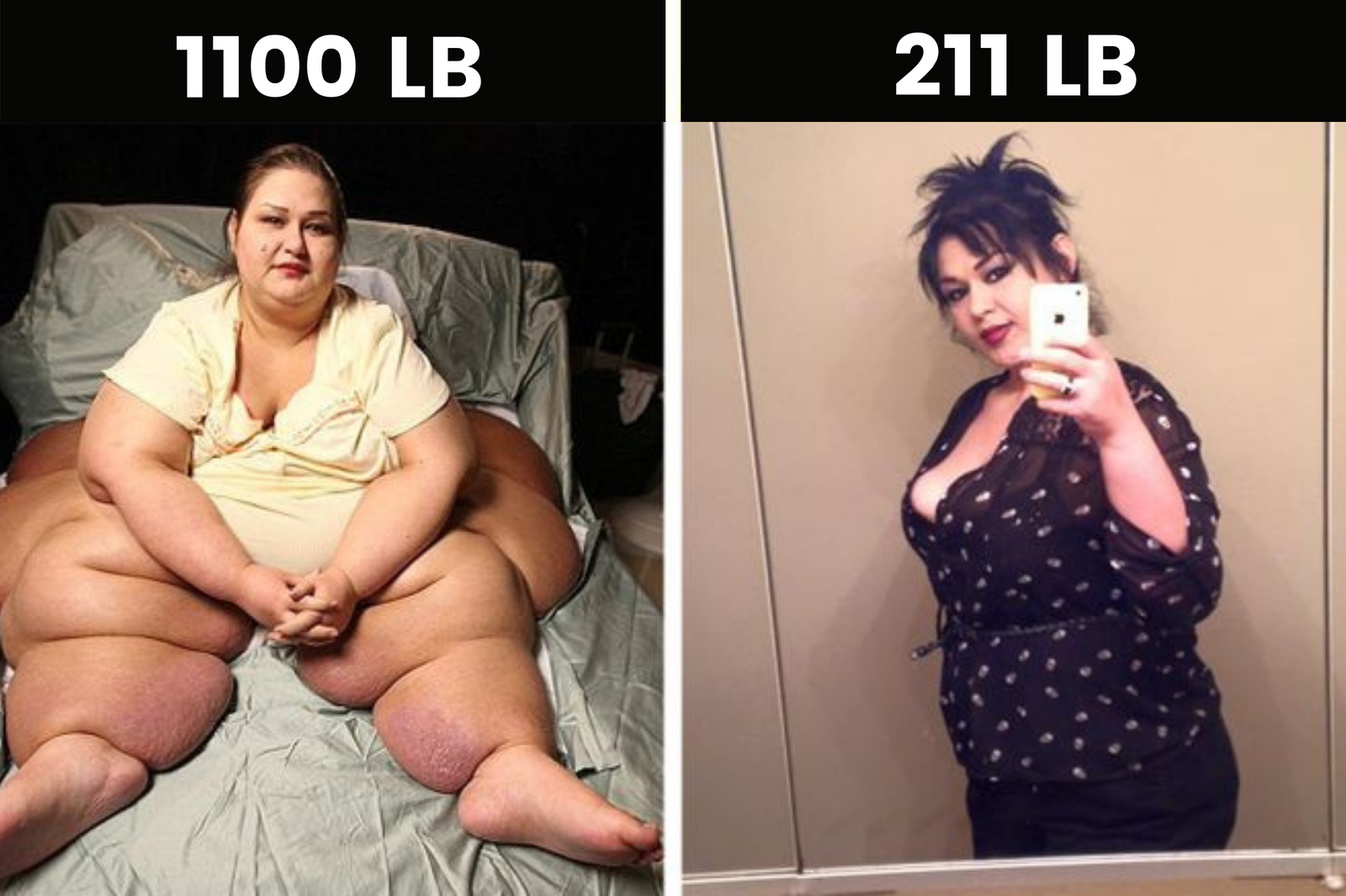
“My 600-lb Life” has showcased the transformative journeys of people battling extreme obesity, highlighting the intersection of health, trauma, and personal resilience. Many participants reach weights beyond 600 pounds, facing not only physical challenges but also emotional and social struggles that often feed their eating habits. For these individuals, food frequently serves as both comfort and coping mechanism for past trauma, loss, or difficult relationships. The show provides a platform to explore how structured intervention, lifestyle changes, and medical procedures like gastric bypass surgery can dramatically improve health and quality of life, while also exposing the complex psychological components of obesity.
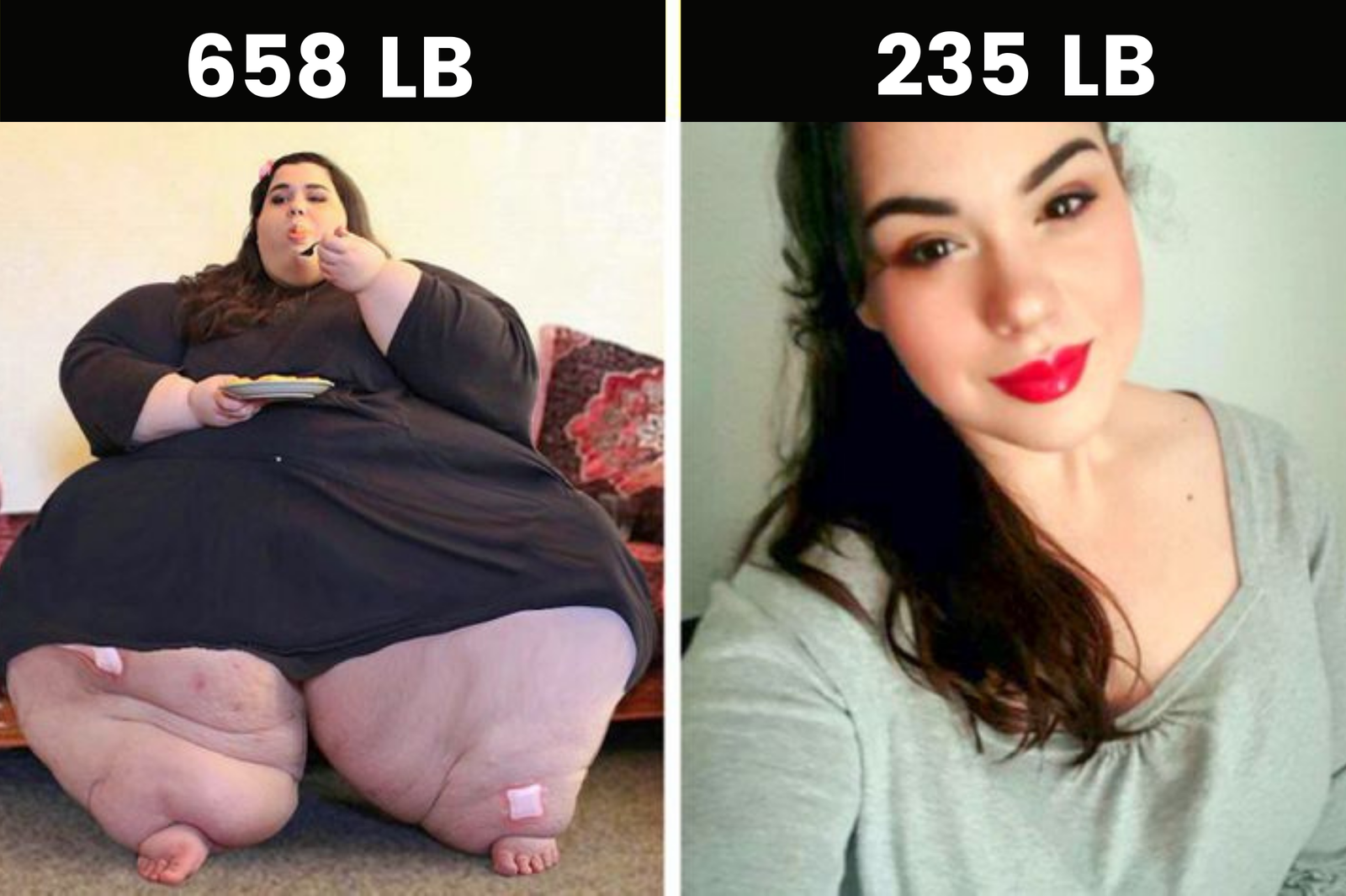
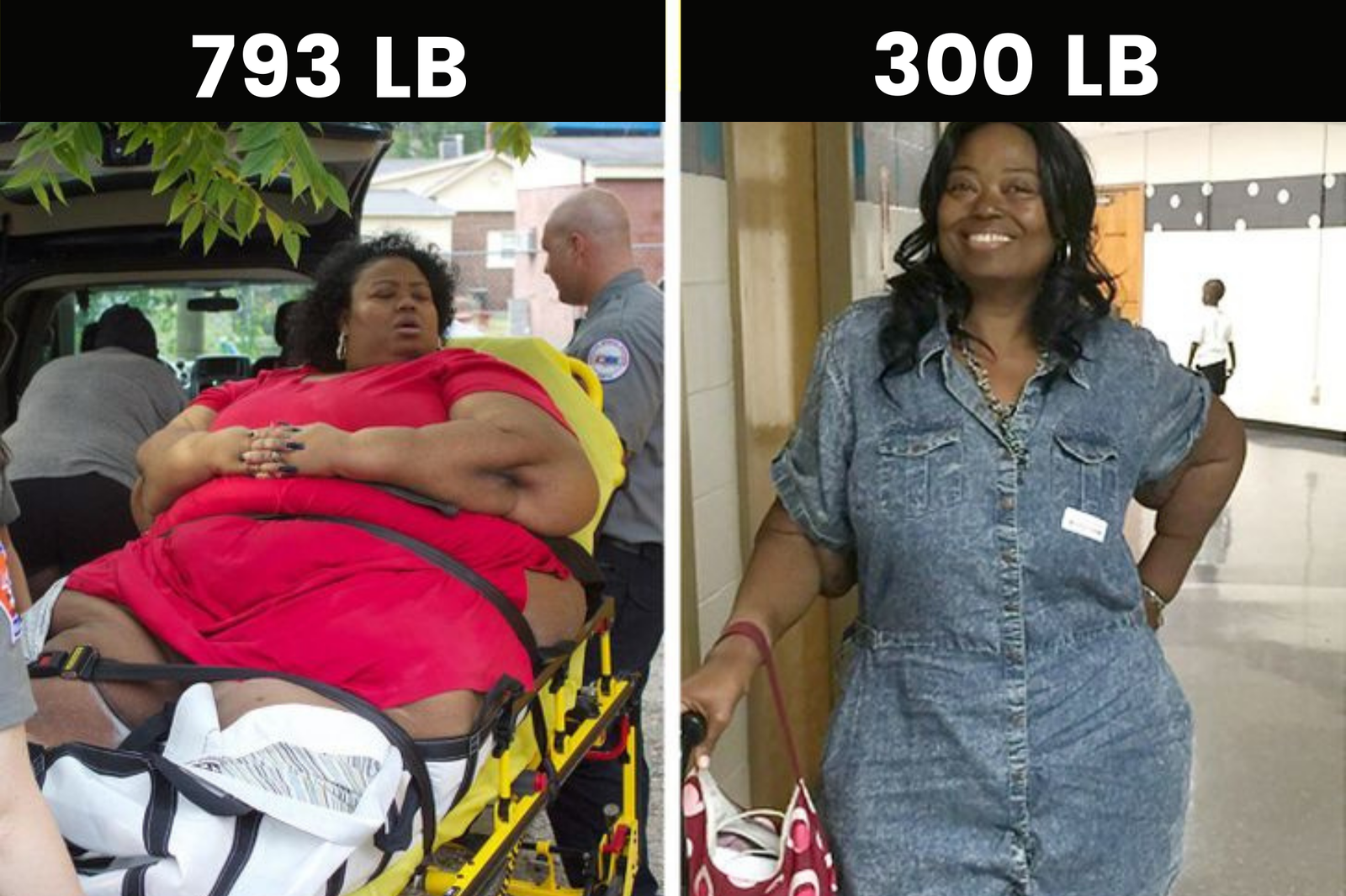
Amber Rachdi, for instance, weighed 660 pounds before committing to healthier eating, exercise, and gastric bypass surgery, eventually leaving a relationship that did not support her health. Similarly, Christina Phillips turned to food to cope with family conflicts, and after surgery, she embraced healthier habits, though her doctors caution about potential anorexia risks. Trauma also played a major role in weight gain, as seen with Marla McCants, whose kidnapping by an ex-boyfriend contributed to eating disorders and a weight of 793 pounds; a blood clot became the catalyst for her transformation. These stories demonstrate that obesity is rarely a simple matter of diet and willpower—it is often entangled with deep emotional wounds and life events that must be addressed alongside physical interventions.
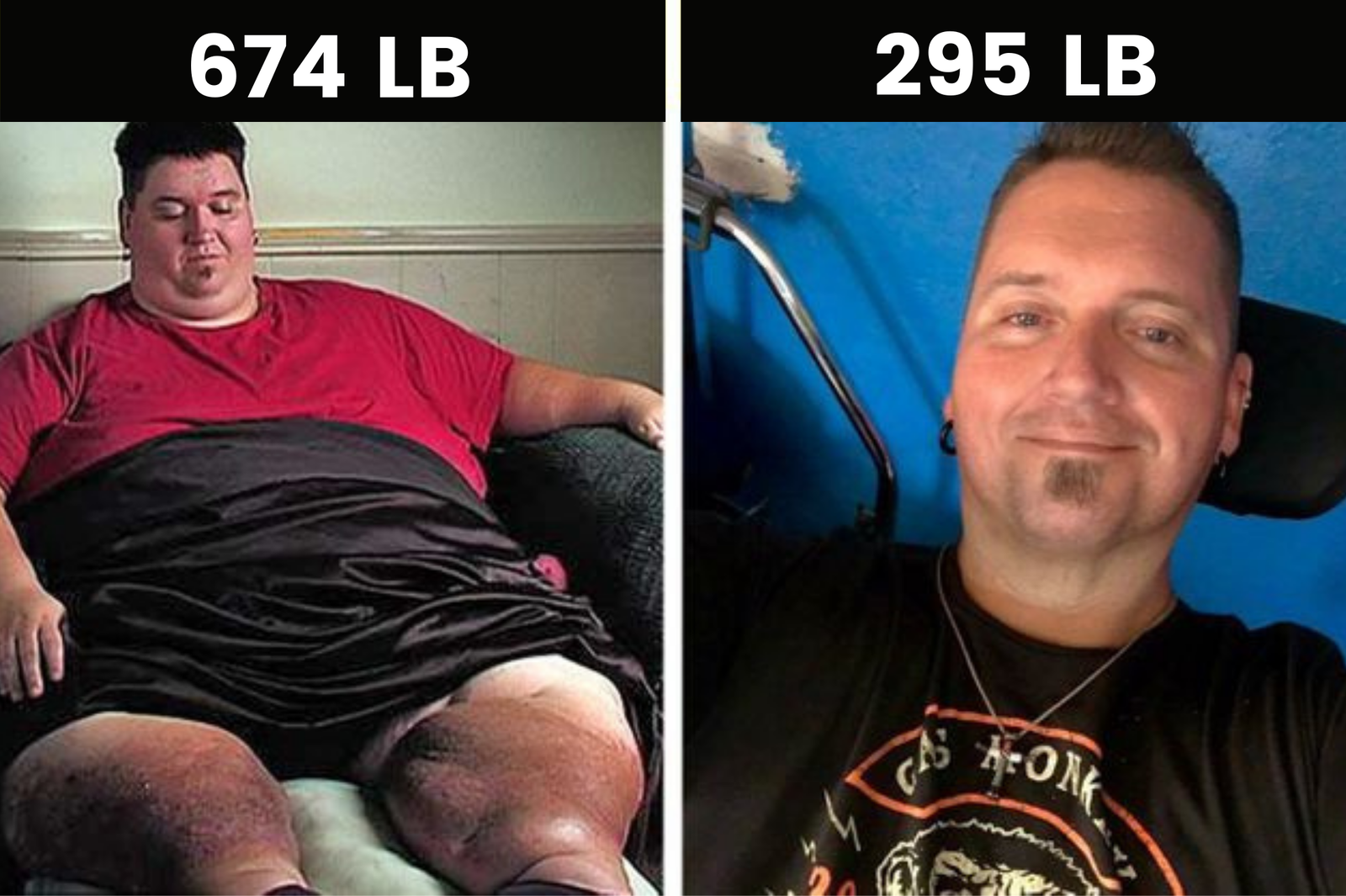
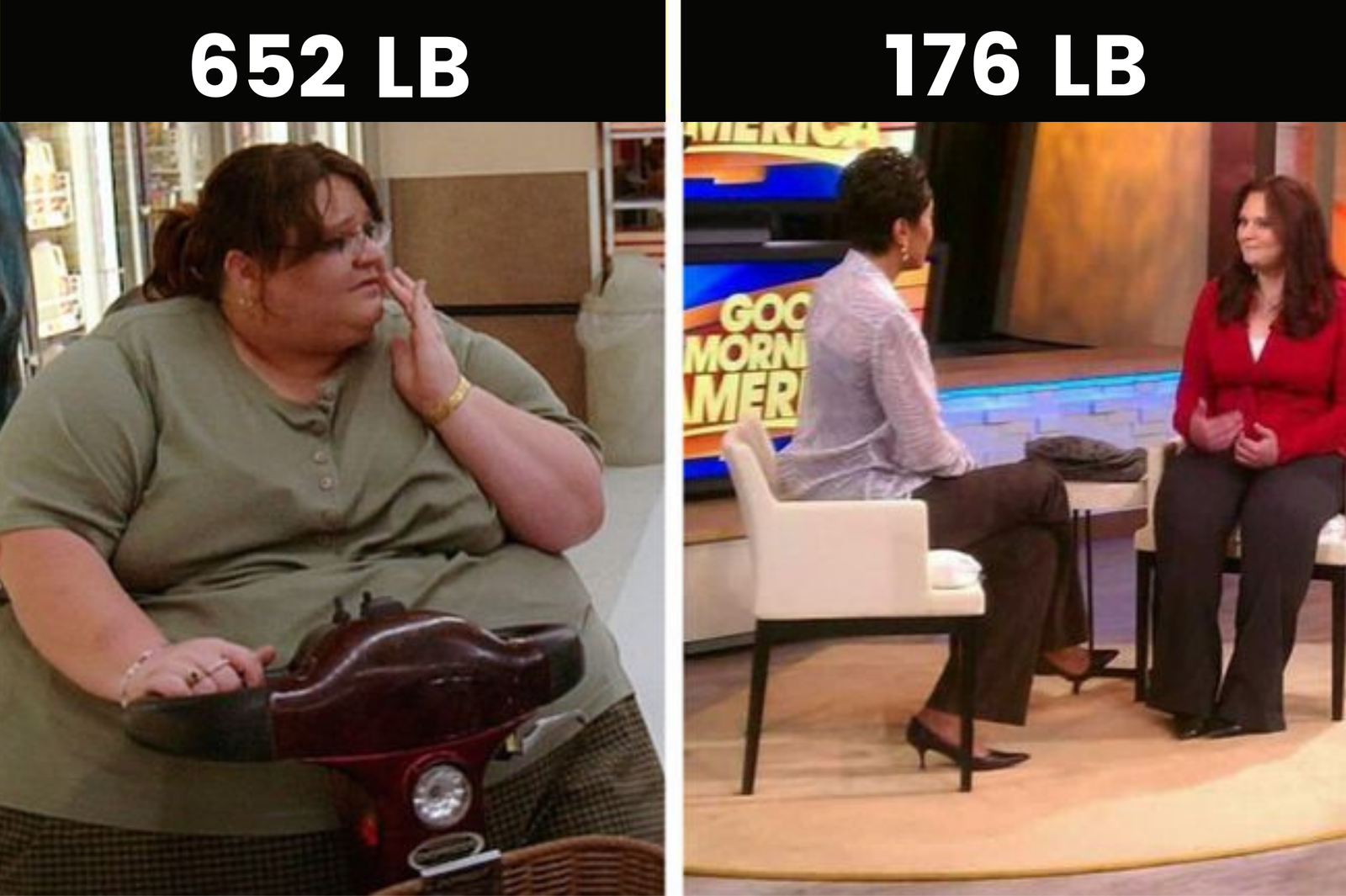
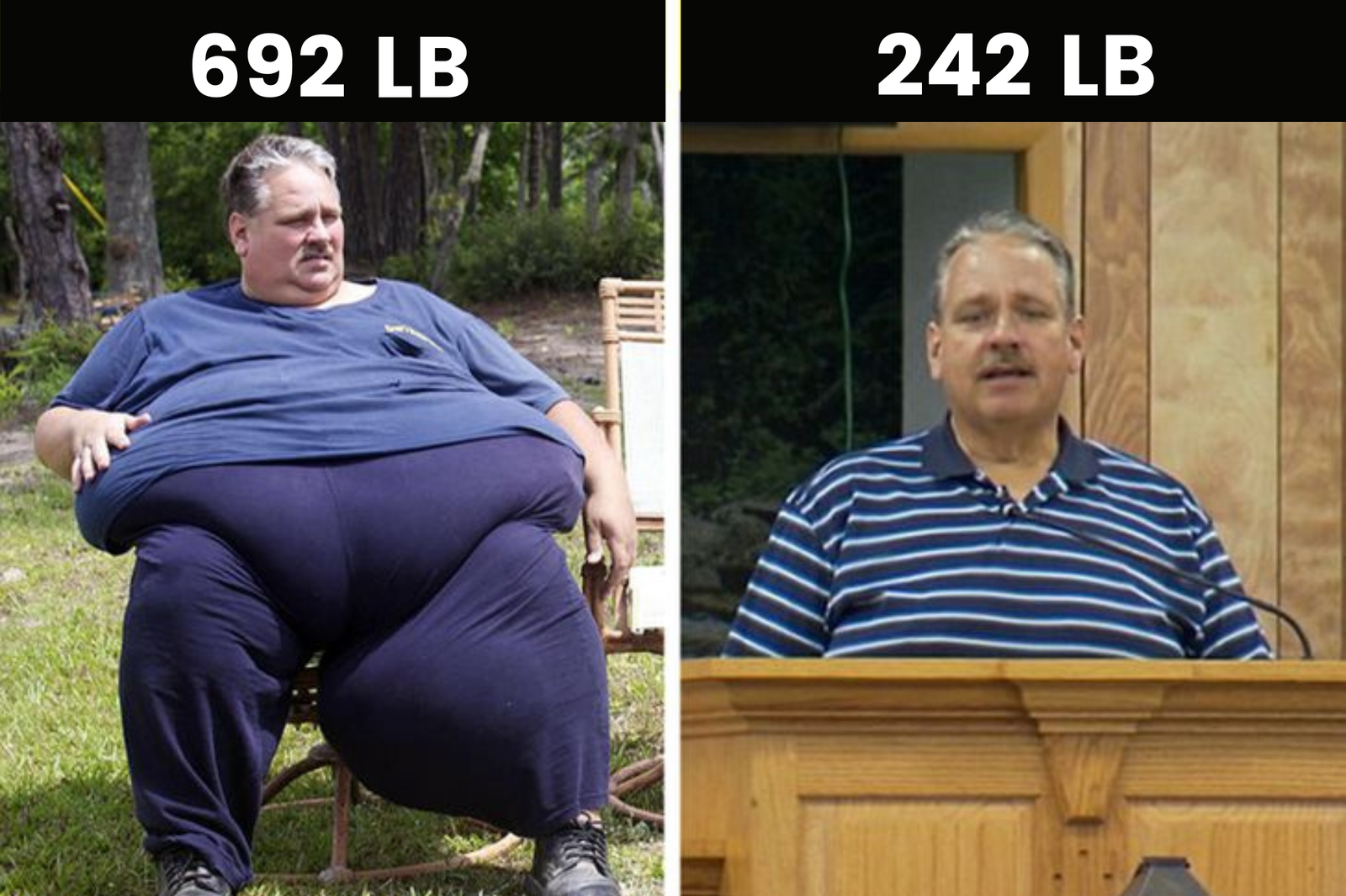
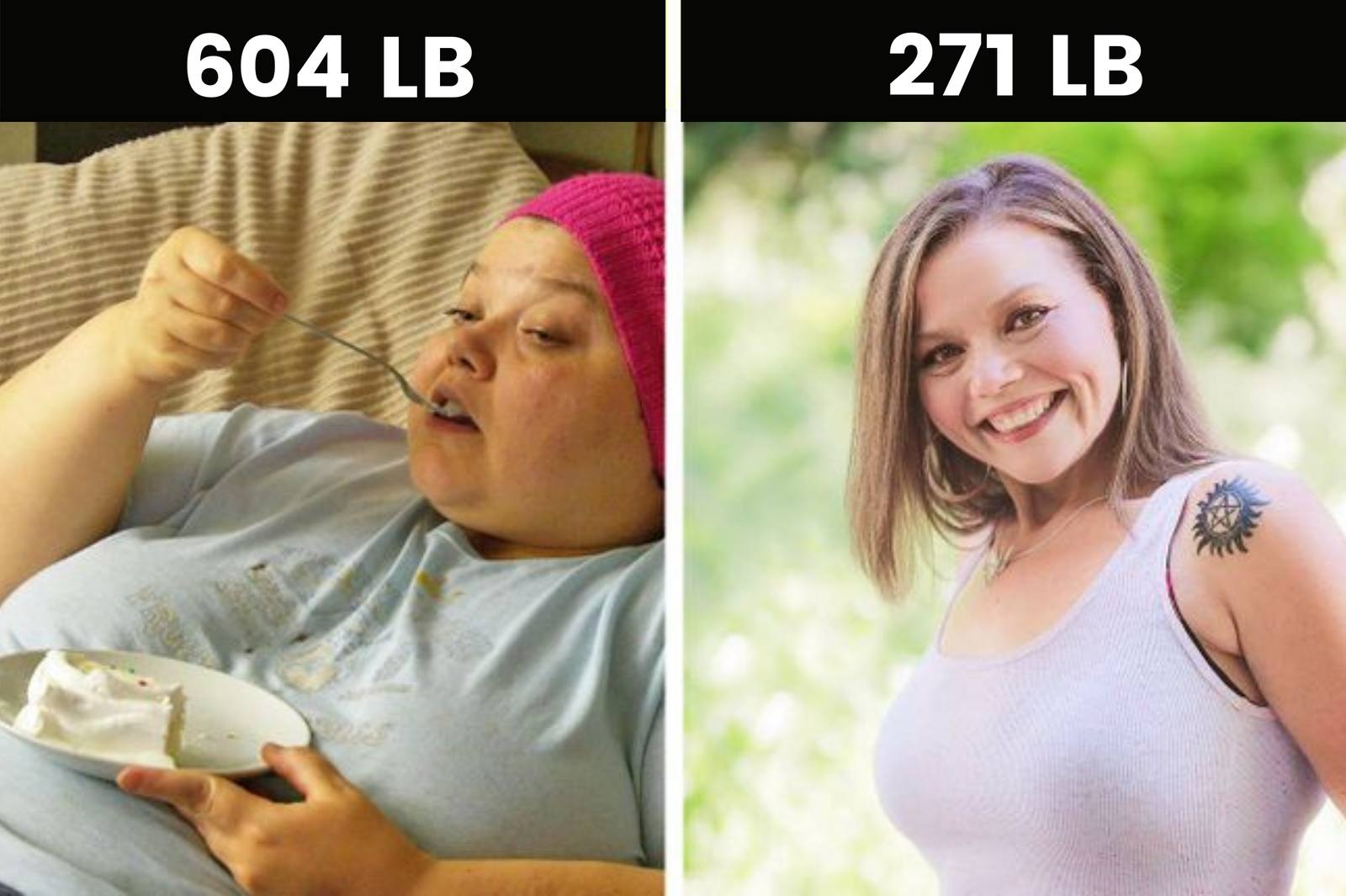
Other participants faced unique medical challenges that complicated their weight loss journeys. Donald Shelton, for instance, lost weight over four years following gastric bypass surgery, only to be diagnosed with Guillain–Barré syndrome, leaving him wheelchair-bound but determined to continue improving his health. Melissa D. Morris’s story emphasizes the connection between weight loss and life goals, as she reduced her weight from 652 pounds to 154 pounds through surgery, diet, and exercise, enabling her to conceive a child. Chuck Turner lost over 270 pounds while navigating grief from his wife’s murder, ultimately finding a renewed sense of purpose and family stability. These cases underscore the interplay between physical health, chronic medical conditions, and the psychological resilience required to achieve long-term transformation.
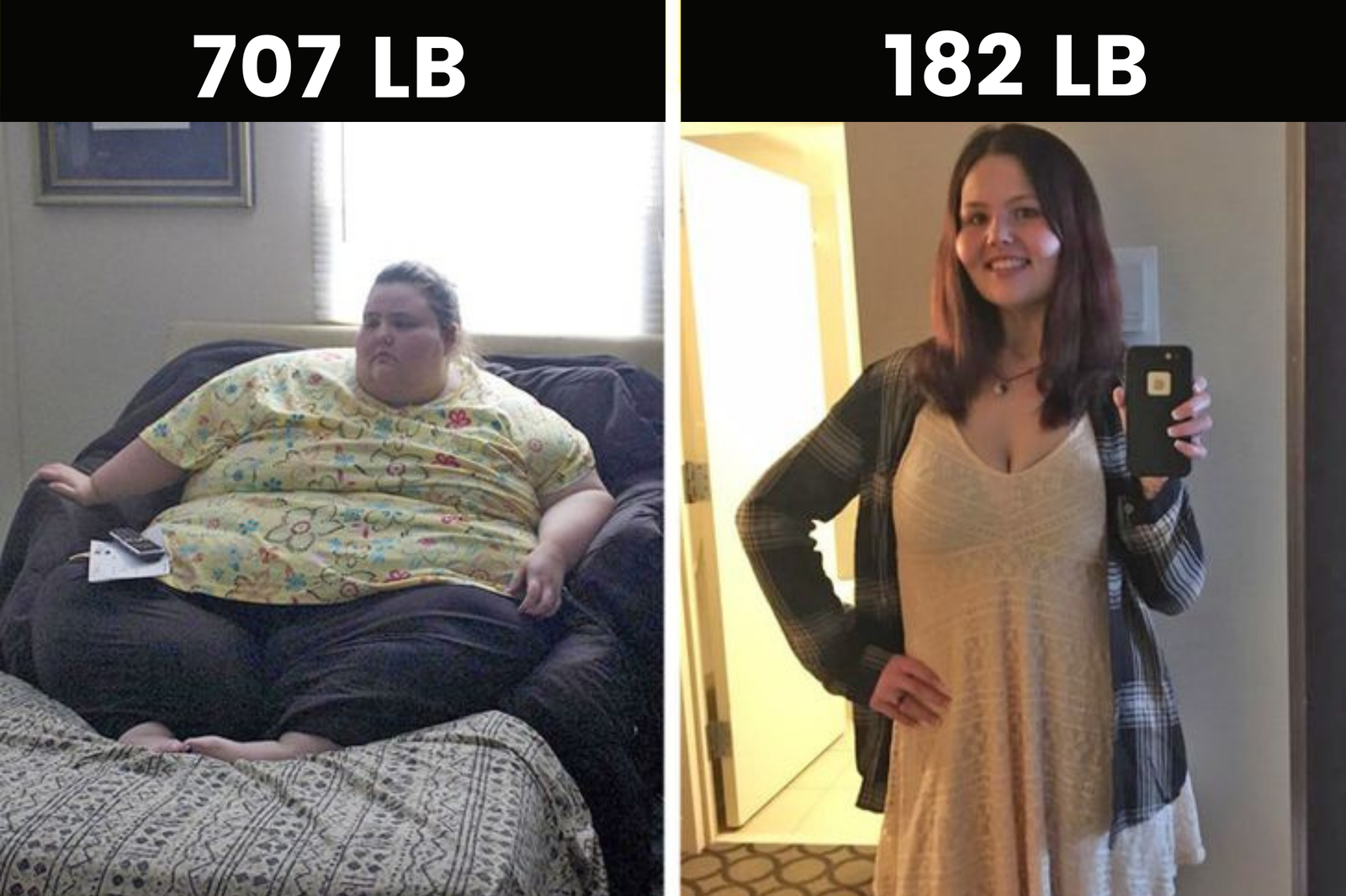
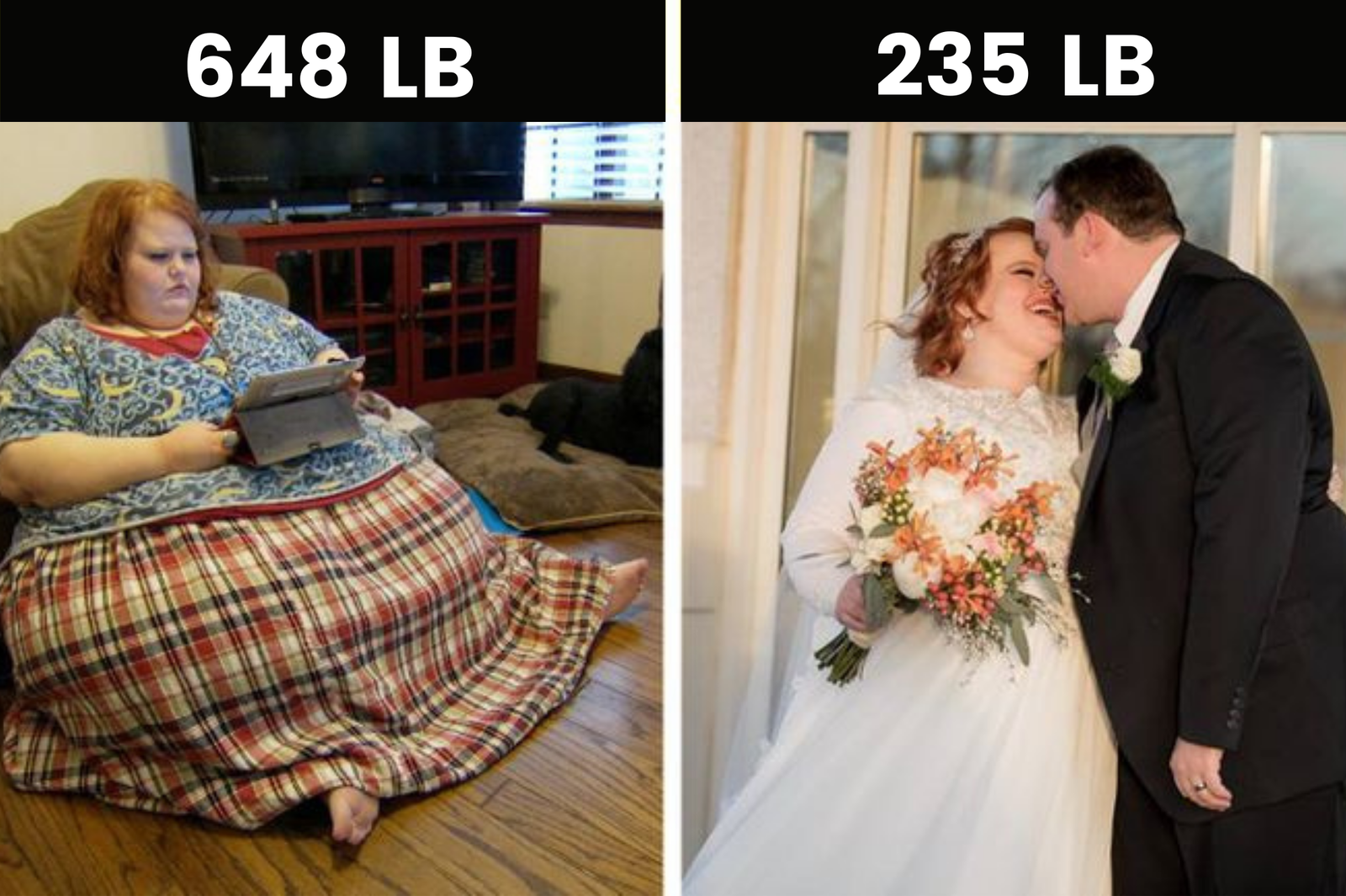
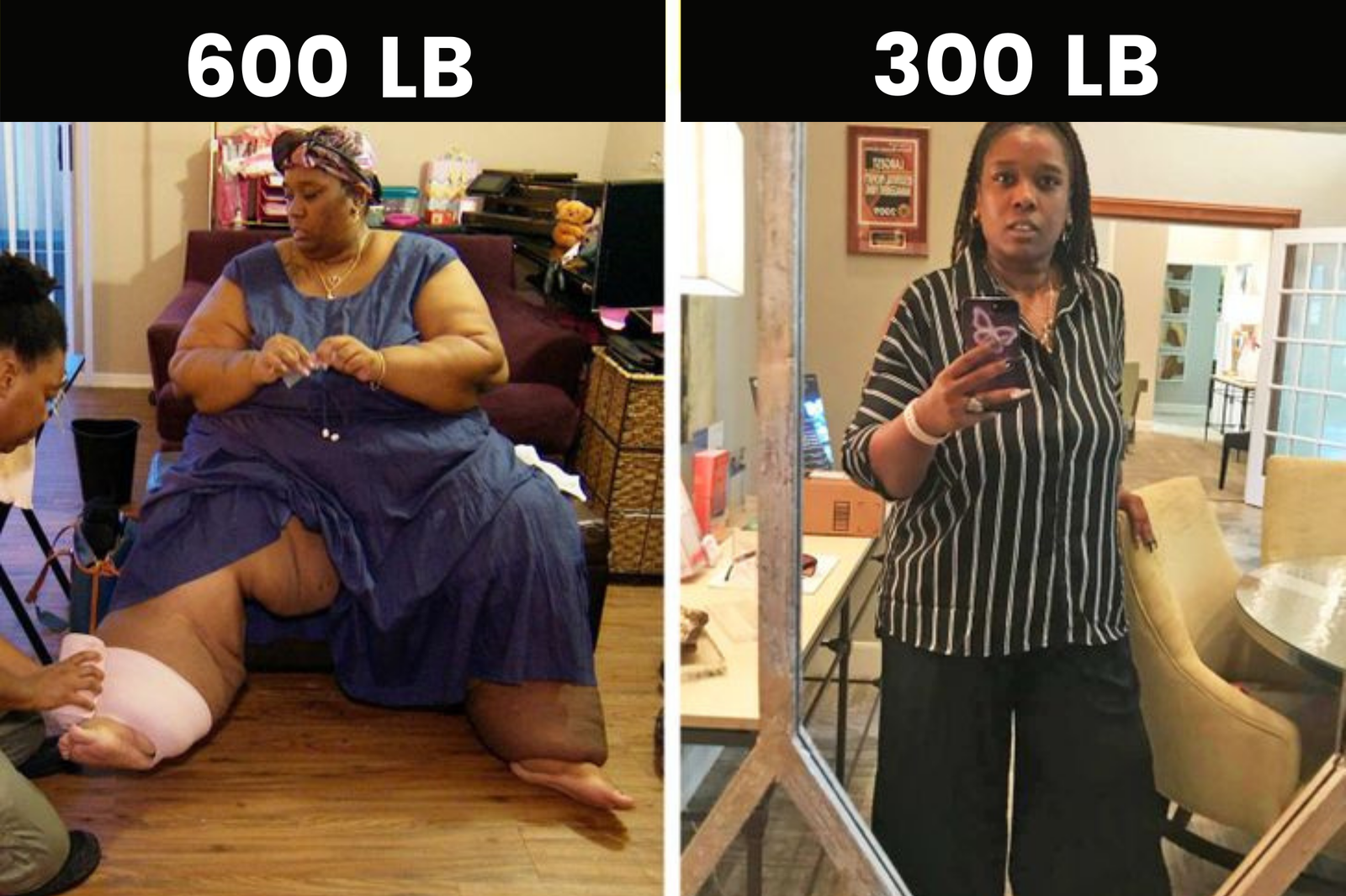
For many, the physical transformation is only part of the journey; rebuilding self-esteem, relationships, and life plans is equally significant. Susan Farmer, Nikki Webster, Paula Jones, and June McKaymee all illustrate this connection. Each underwent gastric bypass surgery, followed by lifestyle changes and physical activity, resulting in dramatic weight loss of several hundred pounds. Susan’s post-surgery skin removal allowed her to reclaim her body visually, while Nikki not only lost weight but also found love and marriage. June McKaymee used surgery and psychotherapy to navigate grief after her son’s death, demonstrating that emotional healing and structured weight-loss strategies often must go hand in hand to create sustainable results.
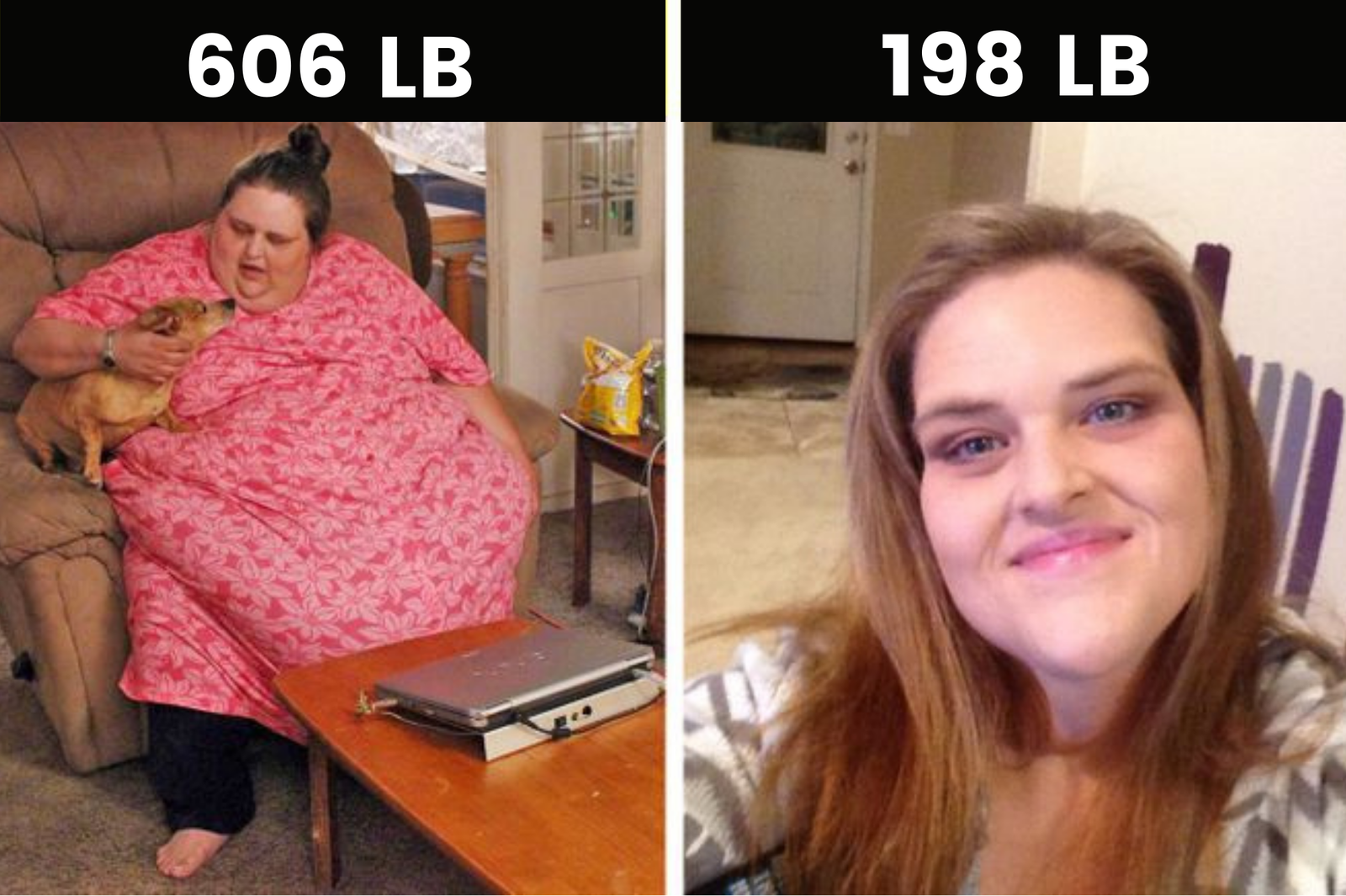
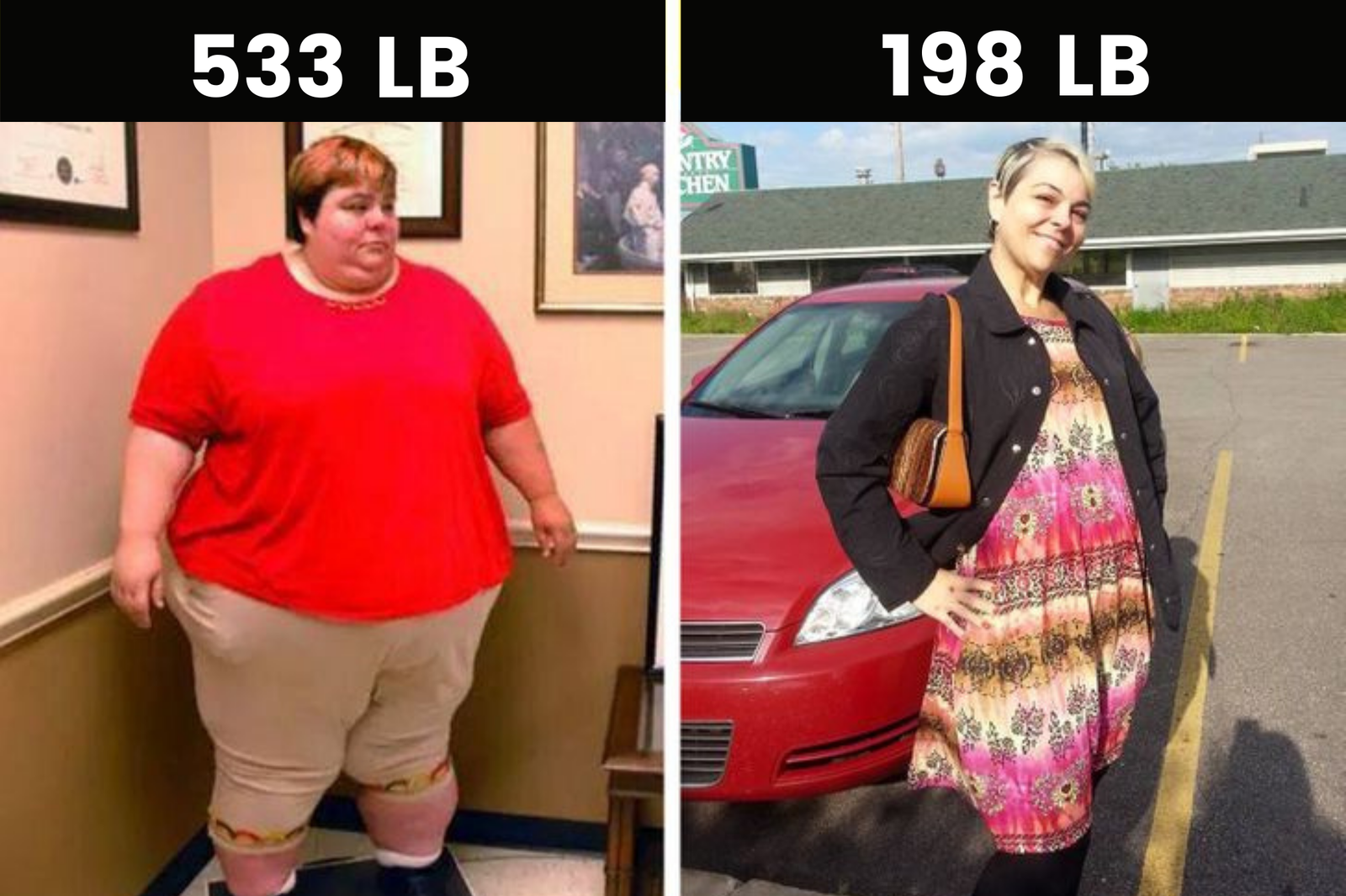
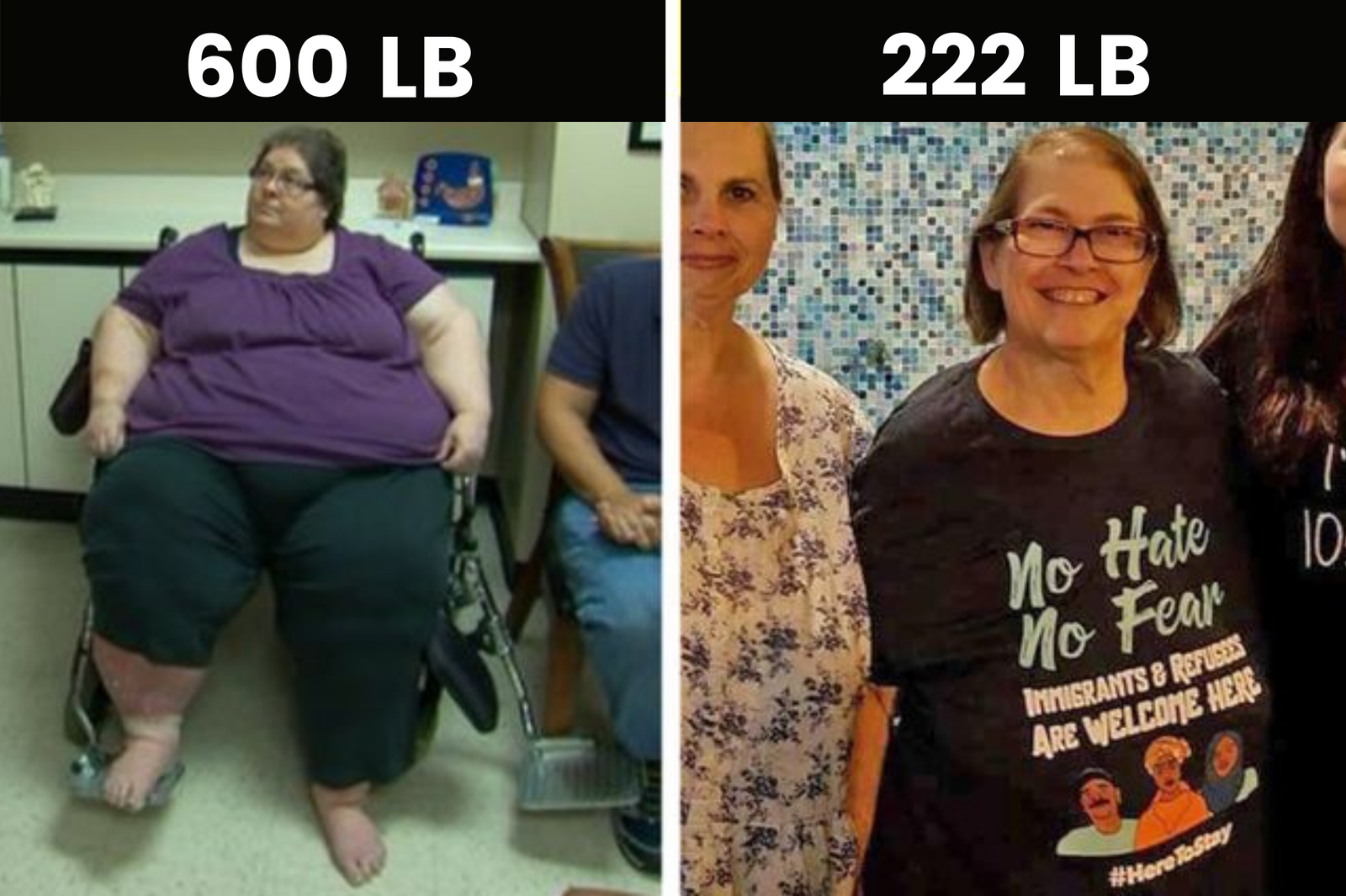
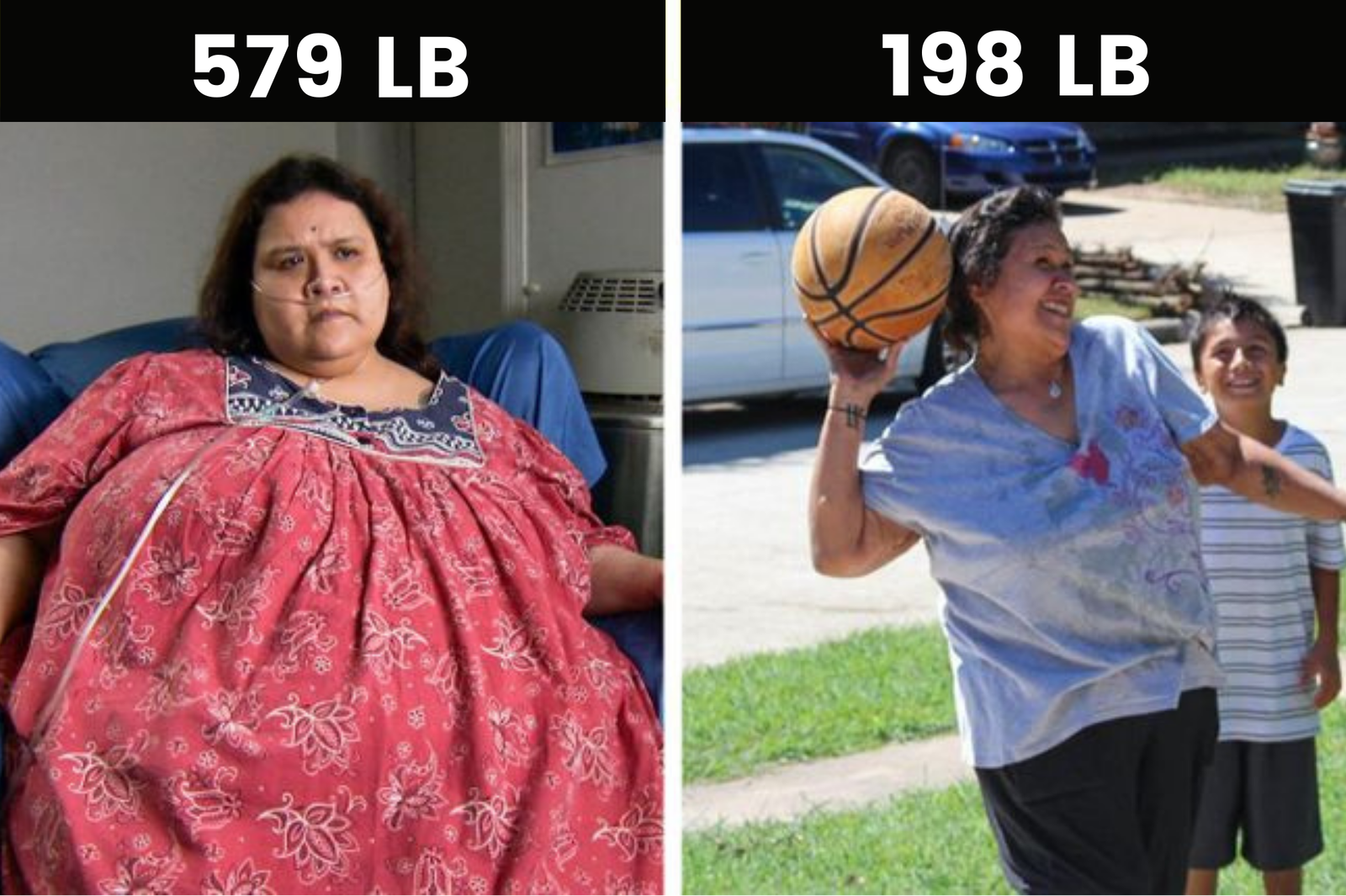
Trauma, abuse, and unsupportive relationships are recurring themes across these stories. Diana Bunch coped with sexual harassment by overeating, eventually weighing 600 pounds; surgery and dietary changes helped her reduce to 222 pounds. Zsalynn Whitworth and Lupita Samano both experienced unsupportive spouses during their journeys but persevered, embracing new relationships while continuing to improve their health. Charity Pierce transformed her life to prepare for her wedding, losing almost 500 pounds despite the additional challenge of lymphedema. Olivia Cruz overcame multiple surgeries to reduce her weight from 579 pounds to 198 pounds, pursuing her dream of becoming a chef. These stories highlight that social and emotional support—or its absence—can profoundly impact the success and sustainability of weight-loss efforts.
Some cases involve extraordinary circumstances that amplify the stakes of transformation. Mayra Rosales, at 1,100 pounds, faced both personal tragedy and extreme medical risk. Following the death of her nephew and her sister’s imprisonment, Mayra undertook dangerous surgeries, adopting new eating habits and exercise routines to regain mobility and care for her family. Her story demonstrates how external events, responsibility, and motivation intertwine with medical intervention to create life-altering outcomes. Across all seventeen stories, a pattern emerges: successful transformation relies on a combination of surgical procedures, lifestyle changes, emotional resilience, and support networks, showing that overcoming severe obesity is never a solitary effort.
Ultimately, the collective message of these journeys is urgent and universal: food addiction and extreme obesity cannot wait to be addressed. Early intervention, medical guidance, and emotional support dramatically improve both physical health and quality of life. Each participant’s story illustrates that with determination, professional help, and supportive relationships, even seemingly insurmountable challenges can be met and surpassed. These narratives encourage viewers and readers alike to recognize unhealthy patterns, seek help, and commit to change before health risks become life-threatening. The perfect moment to start improving one’s life, as these stories affirm, is always now.